Is life on Mars possible?
What does it feel like to sit atop a fully loaded rocket?
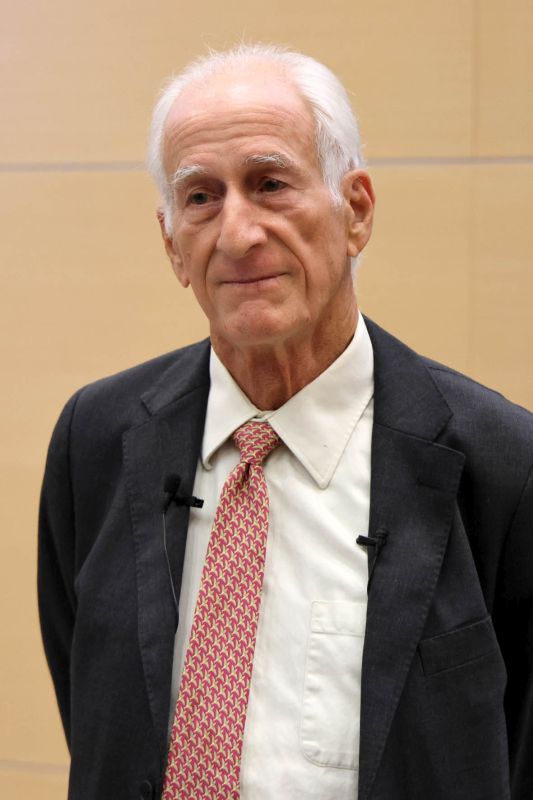
What does Jeffrey Hoffman think about private space missions, and how does NASA view them?

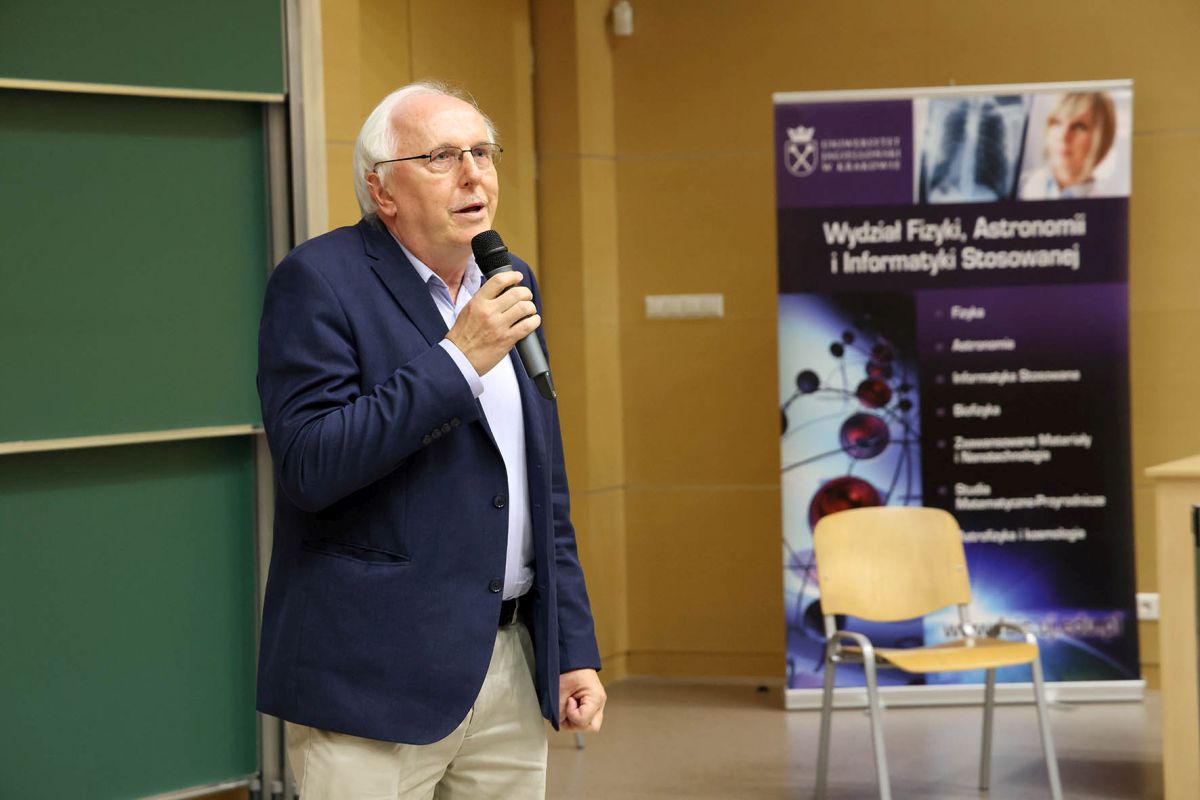
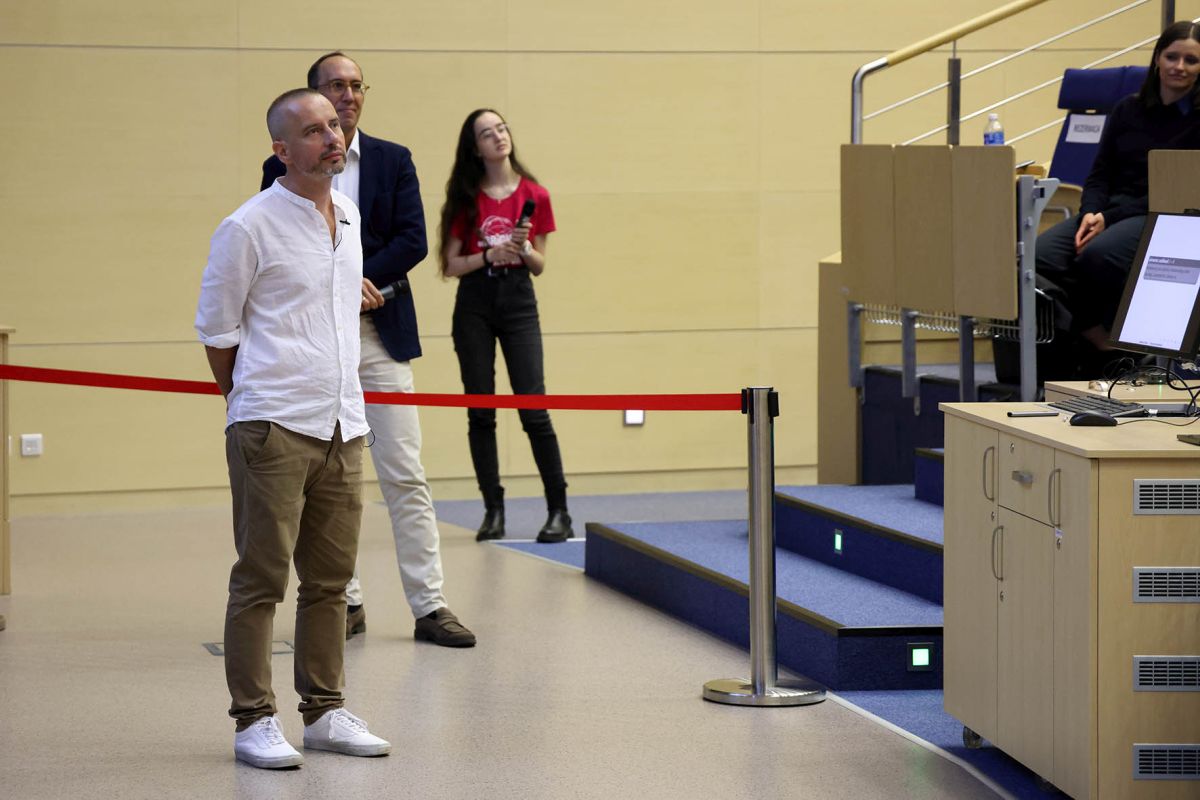
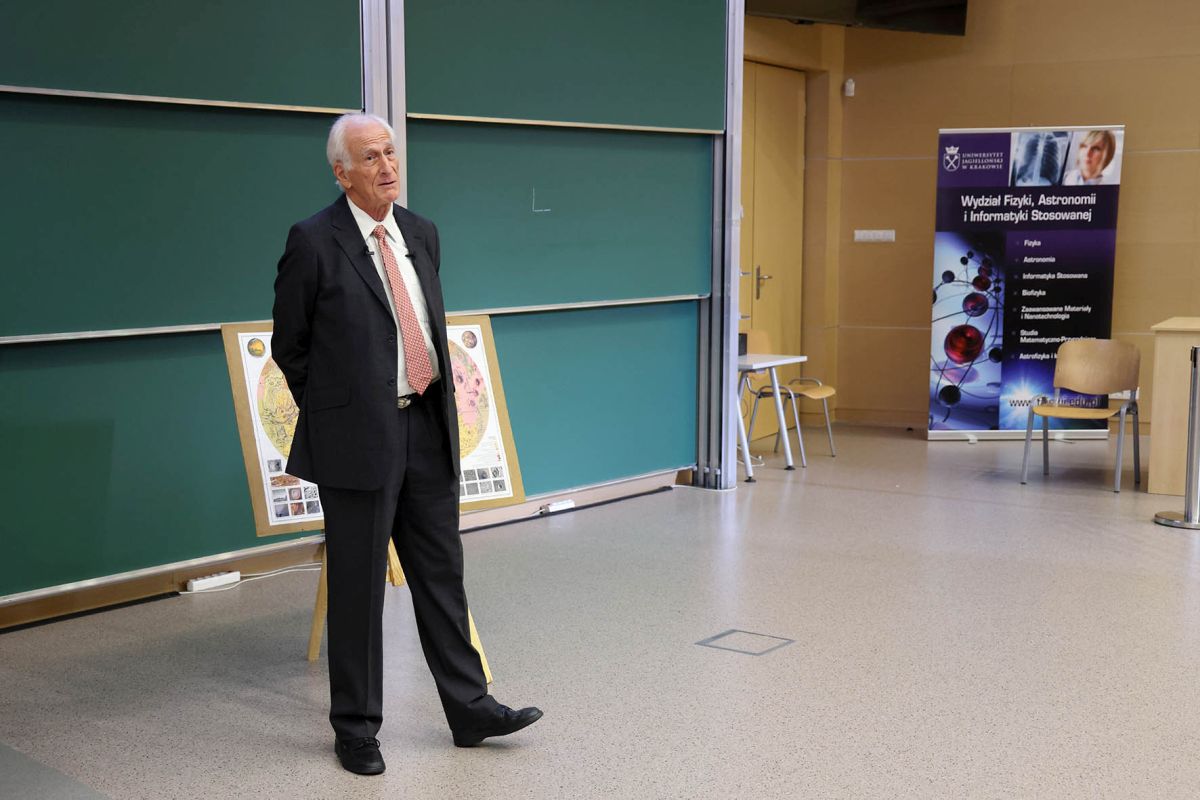
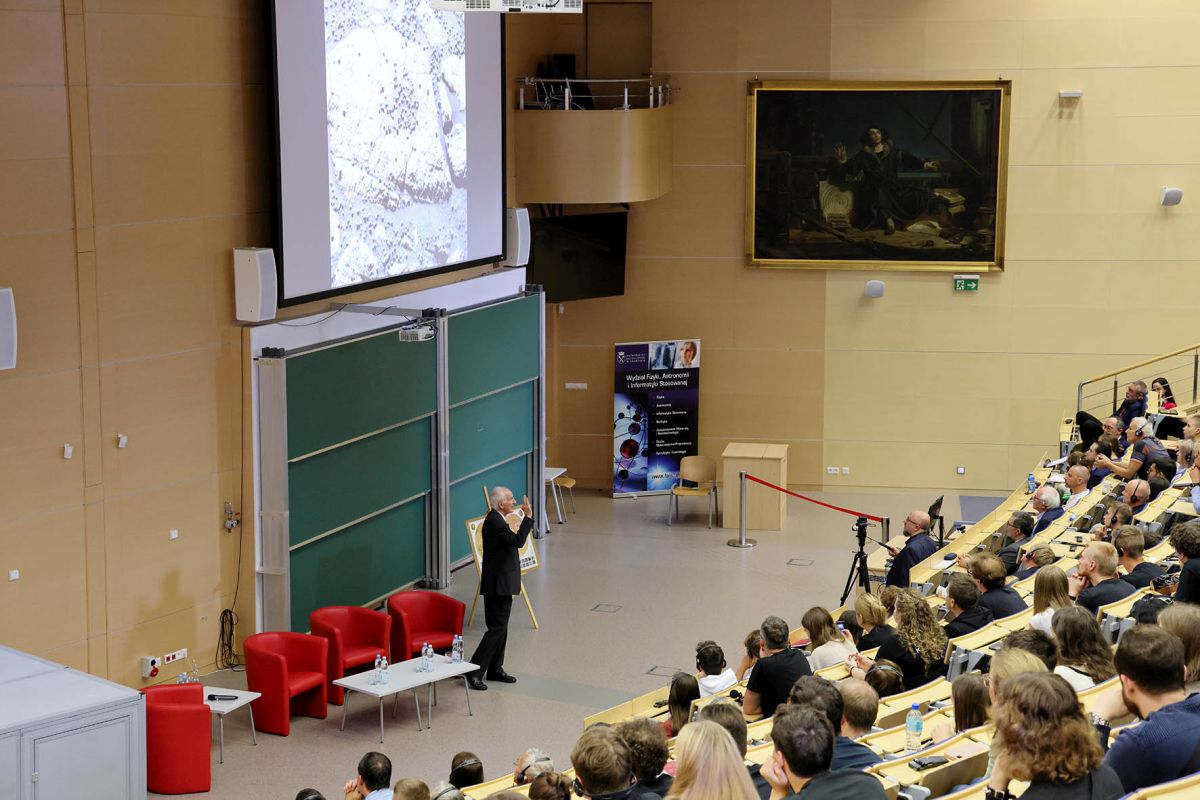
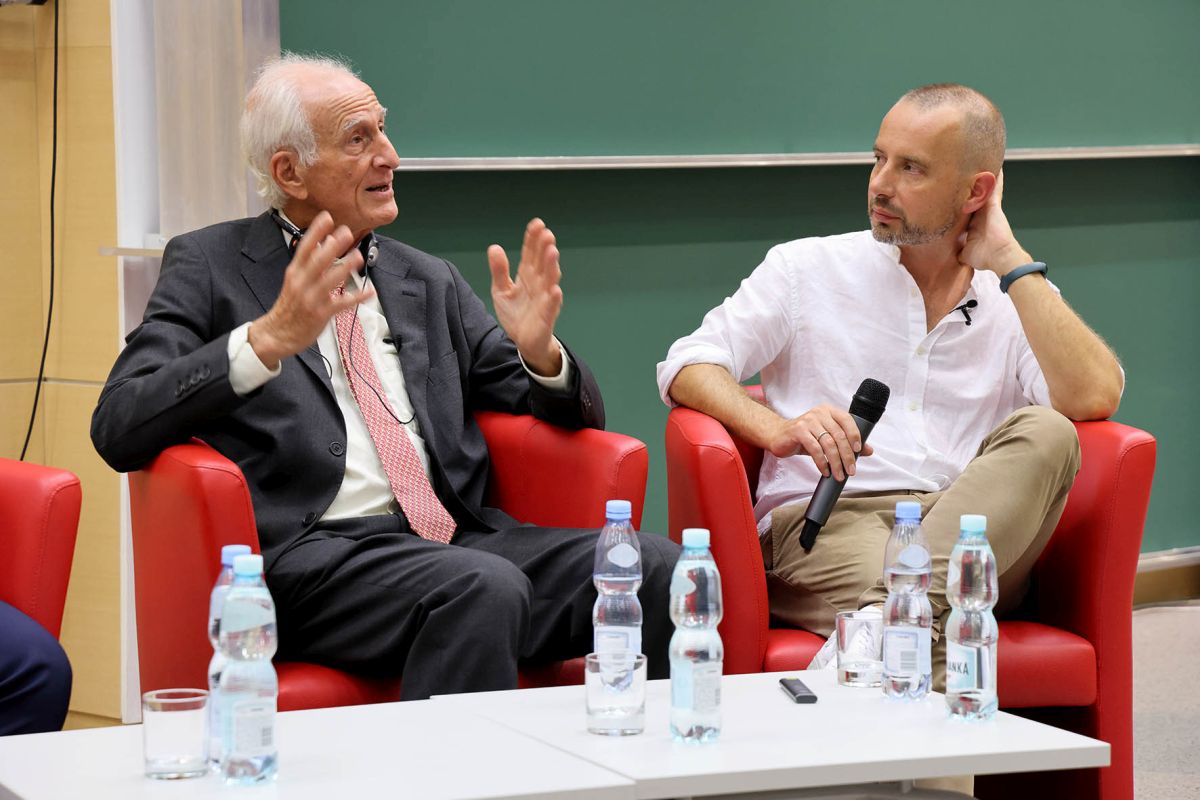
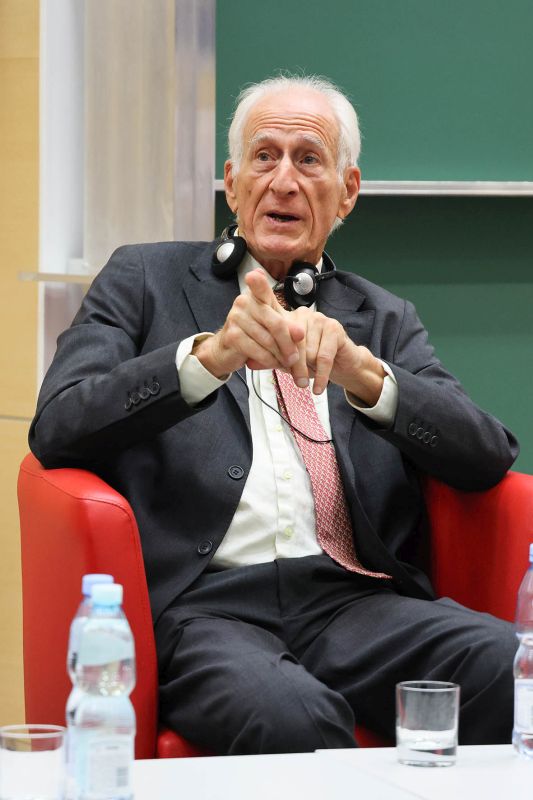
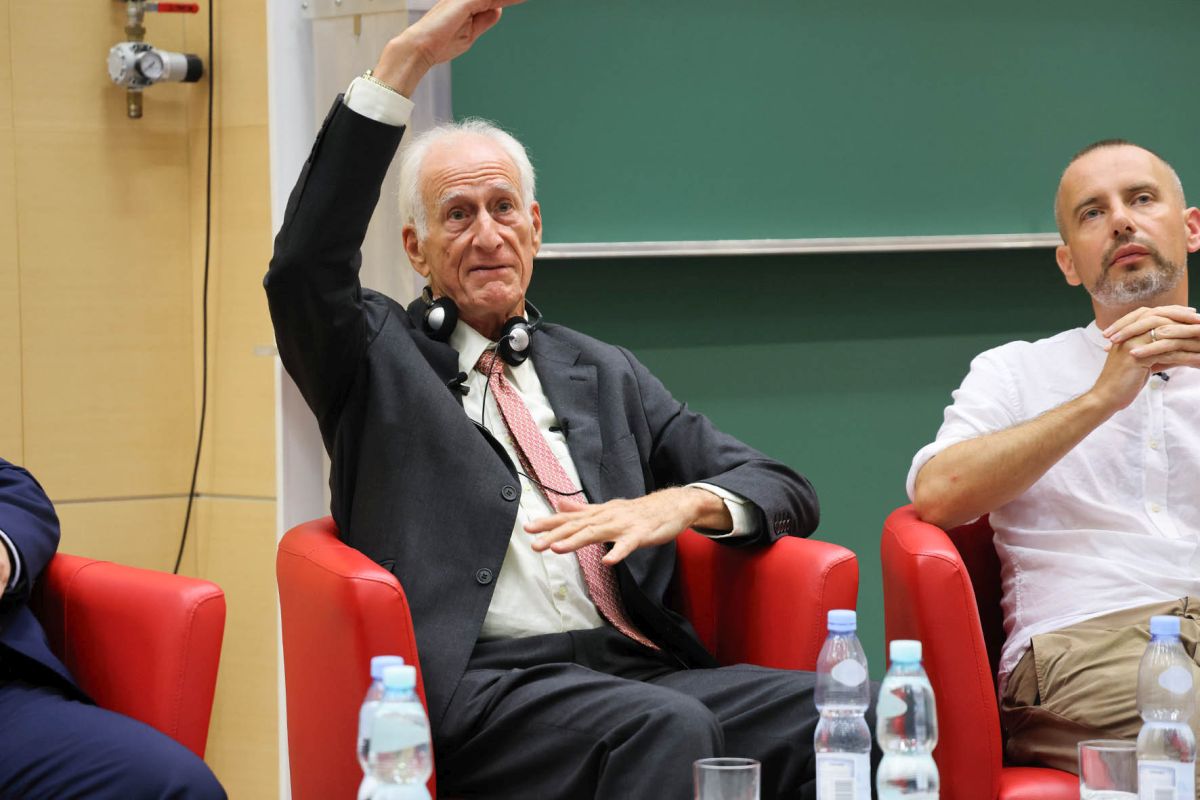
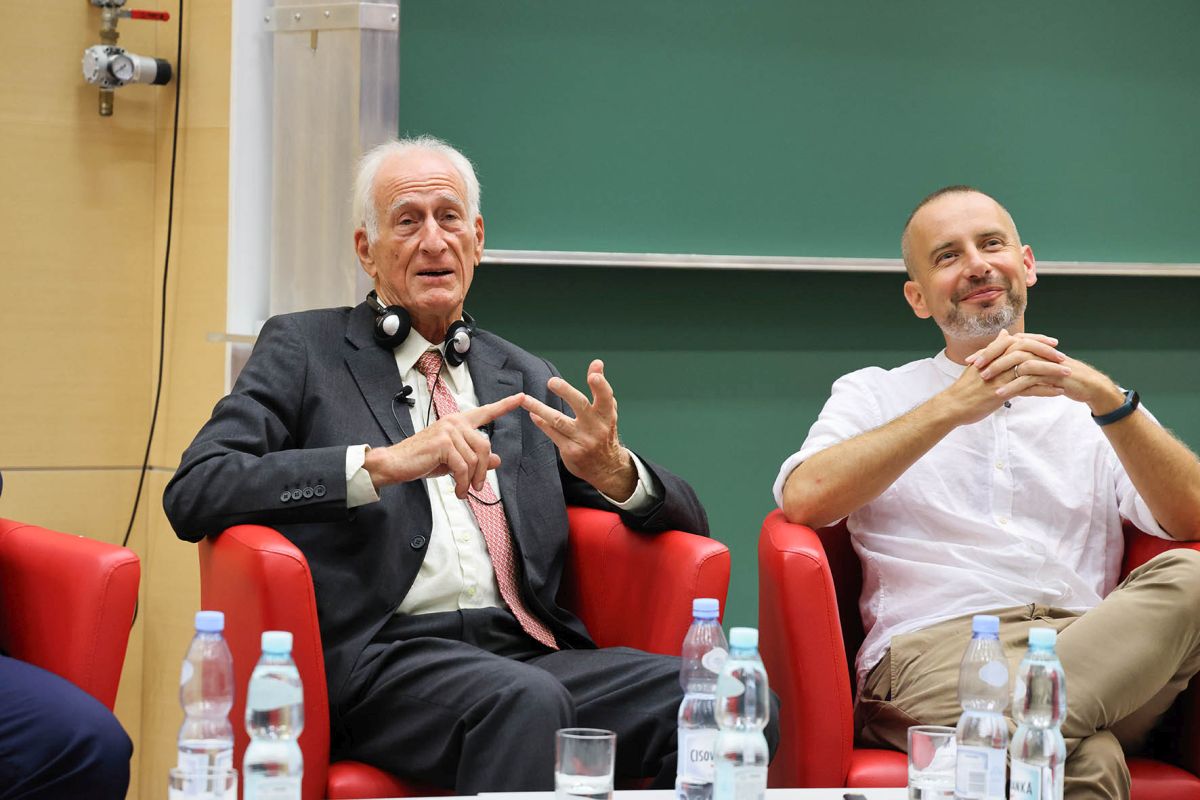
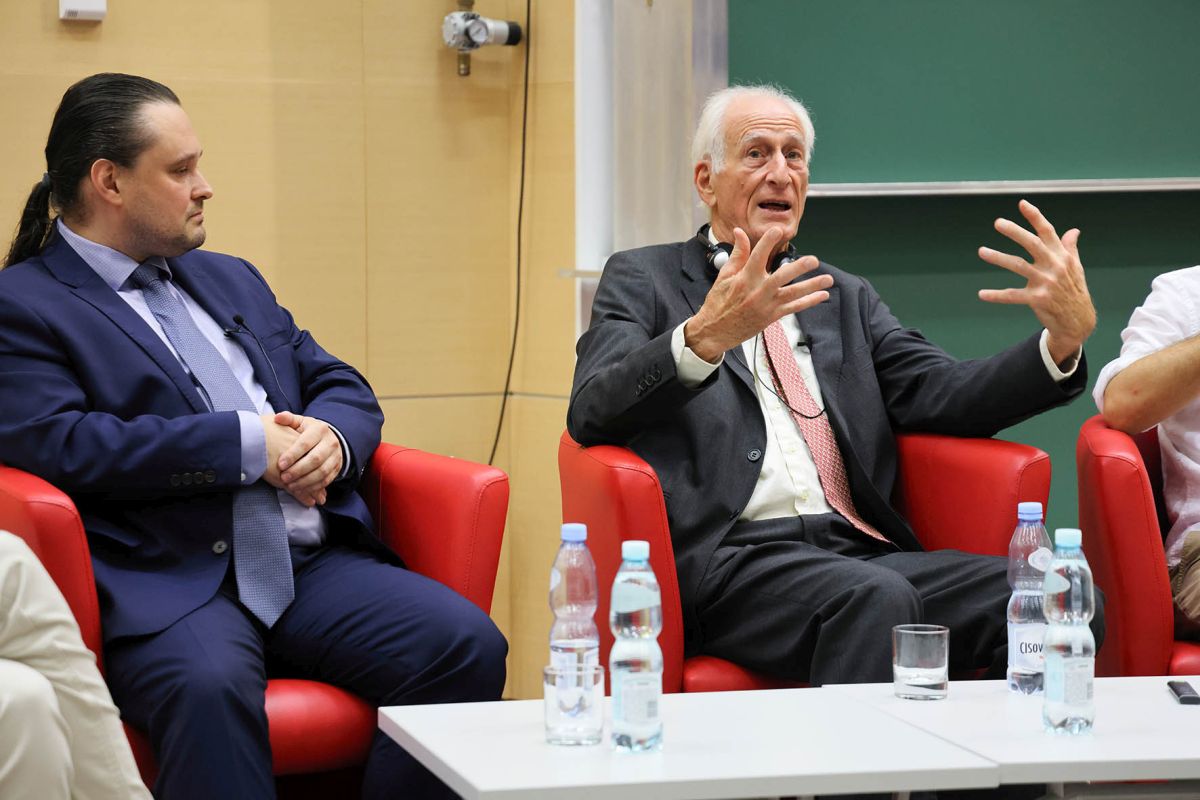
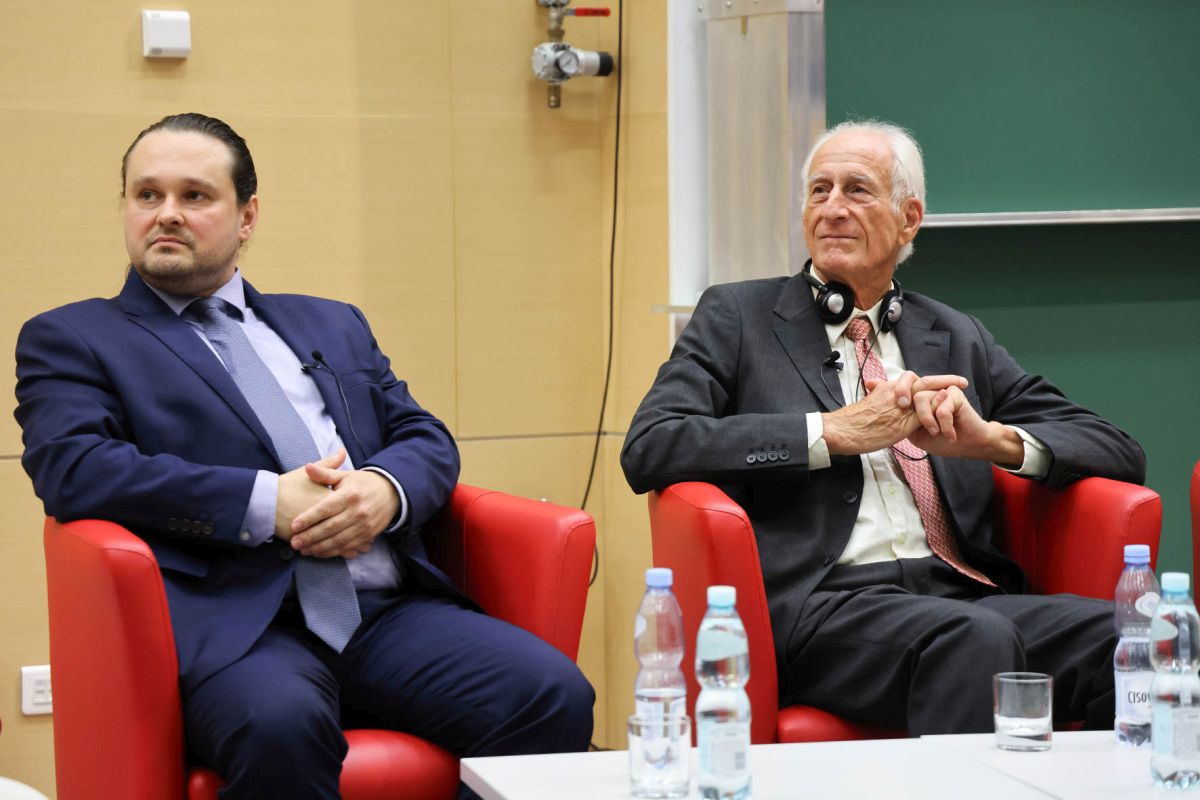
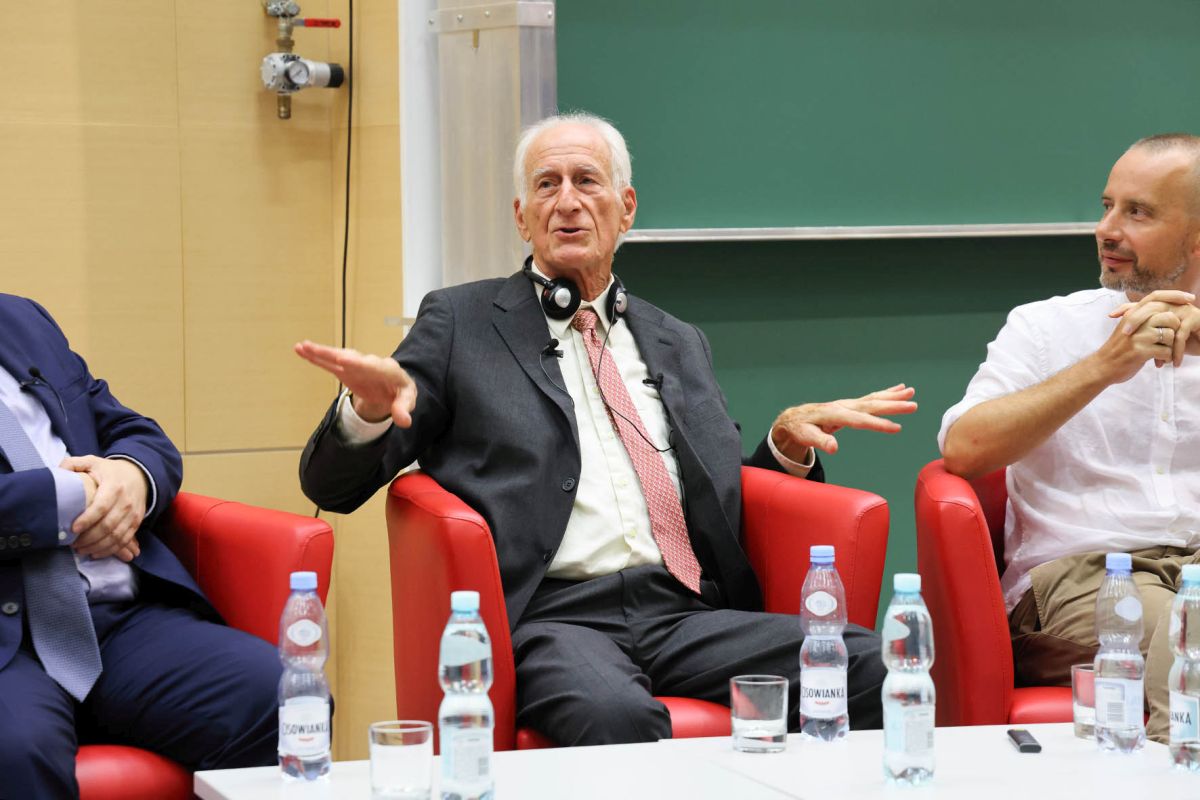
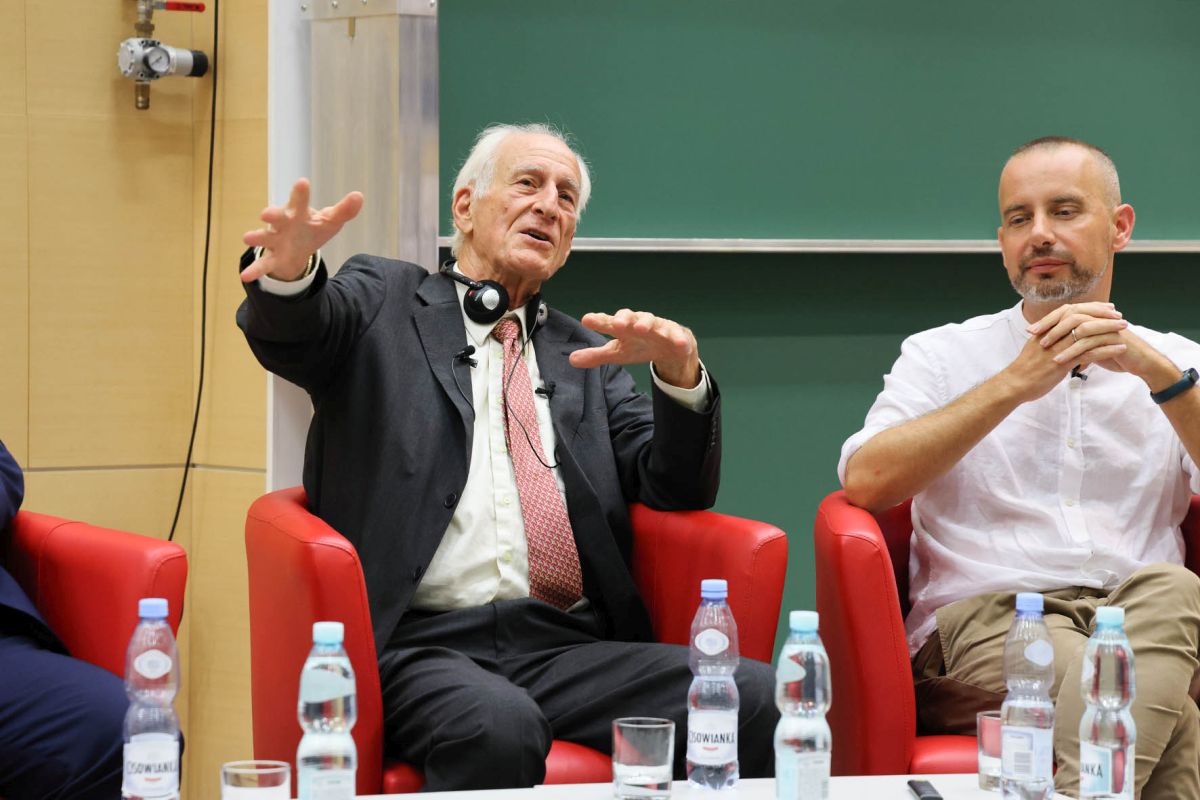
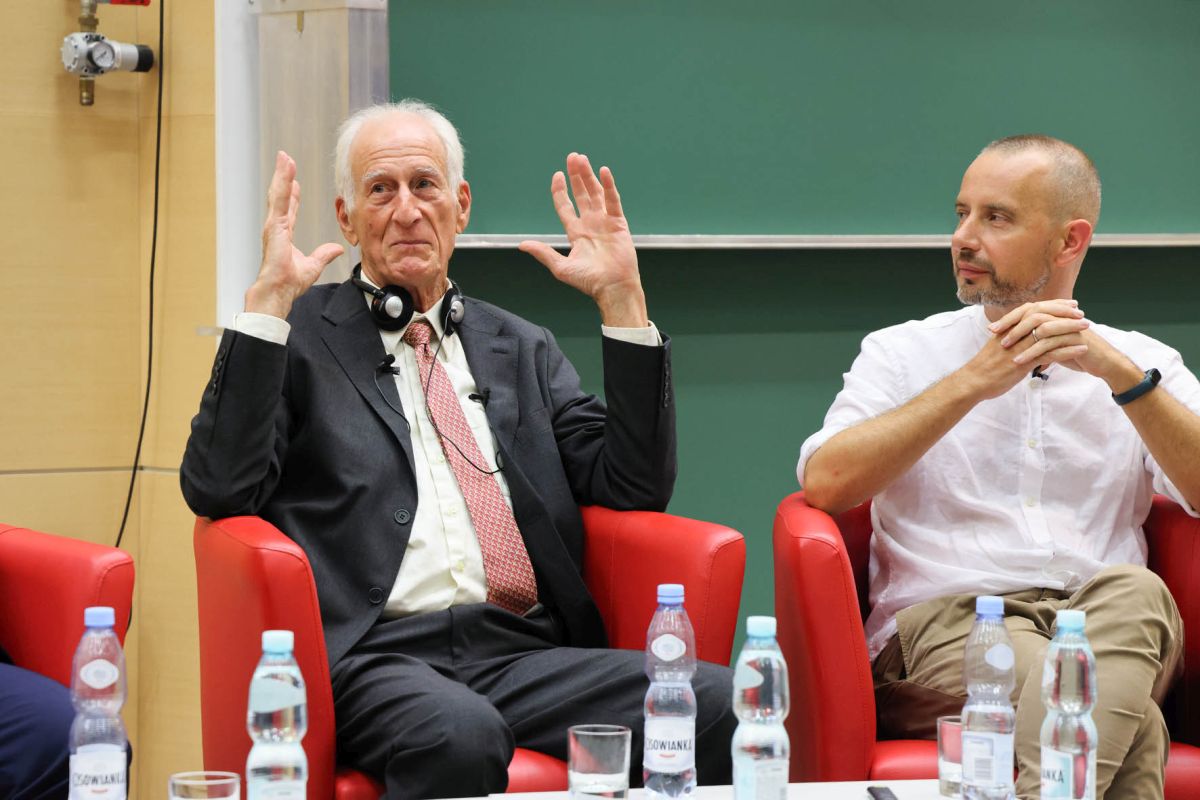
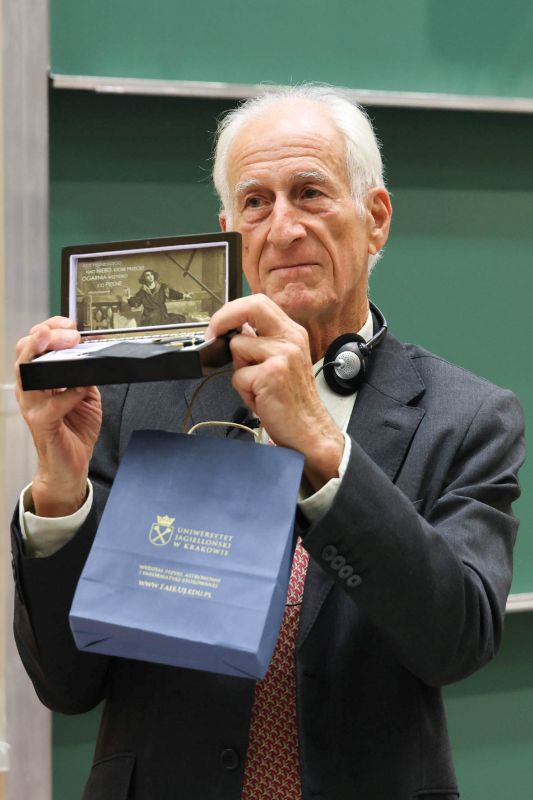
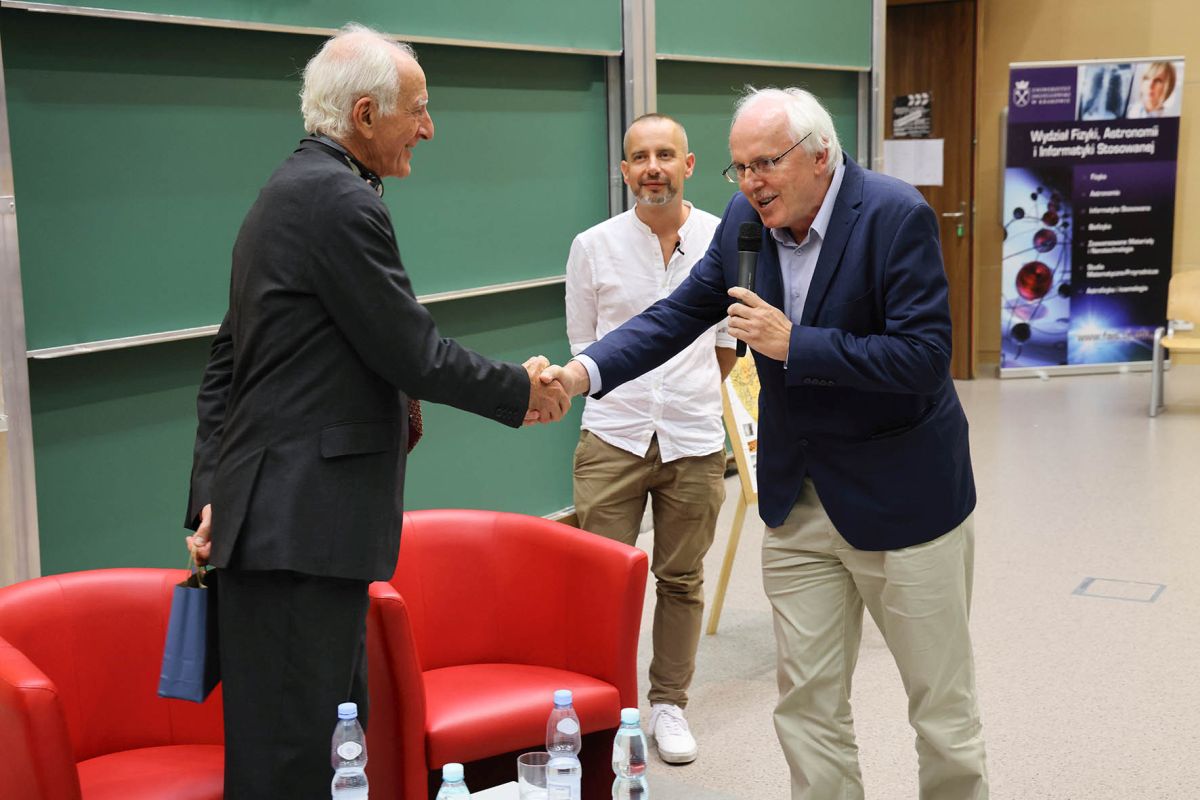
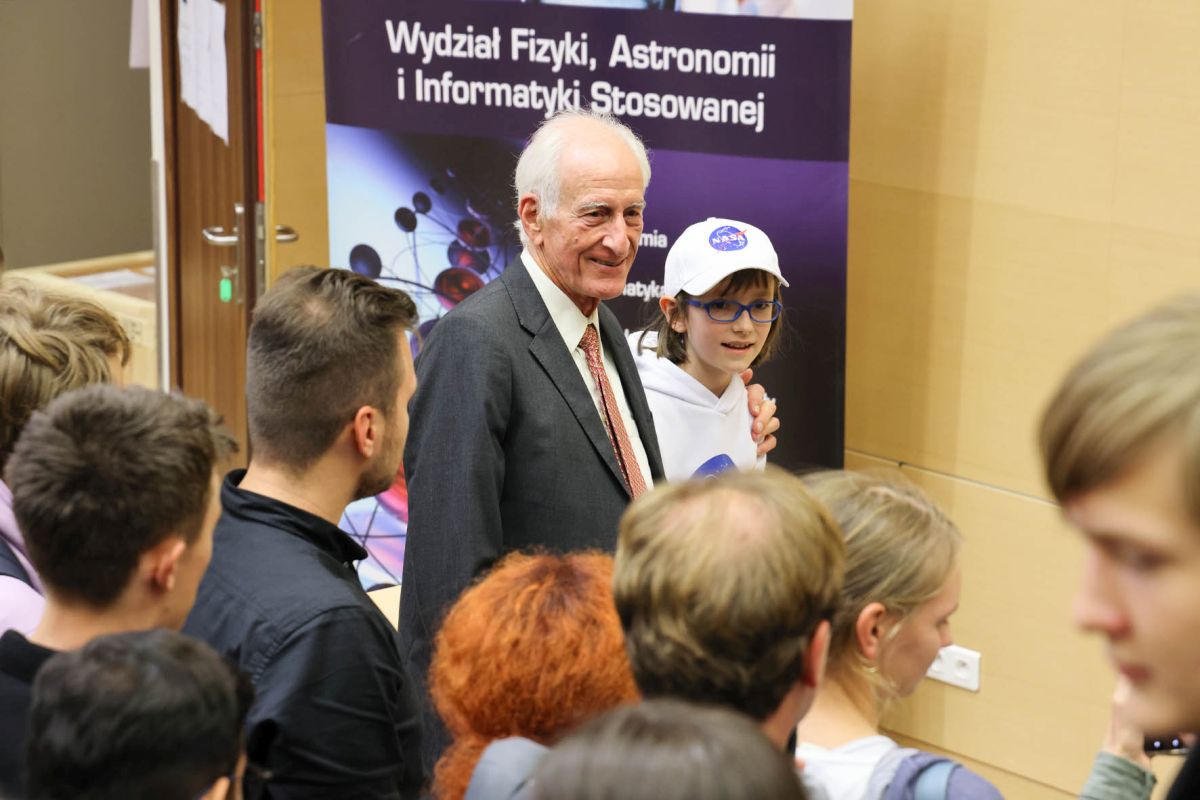
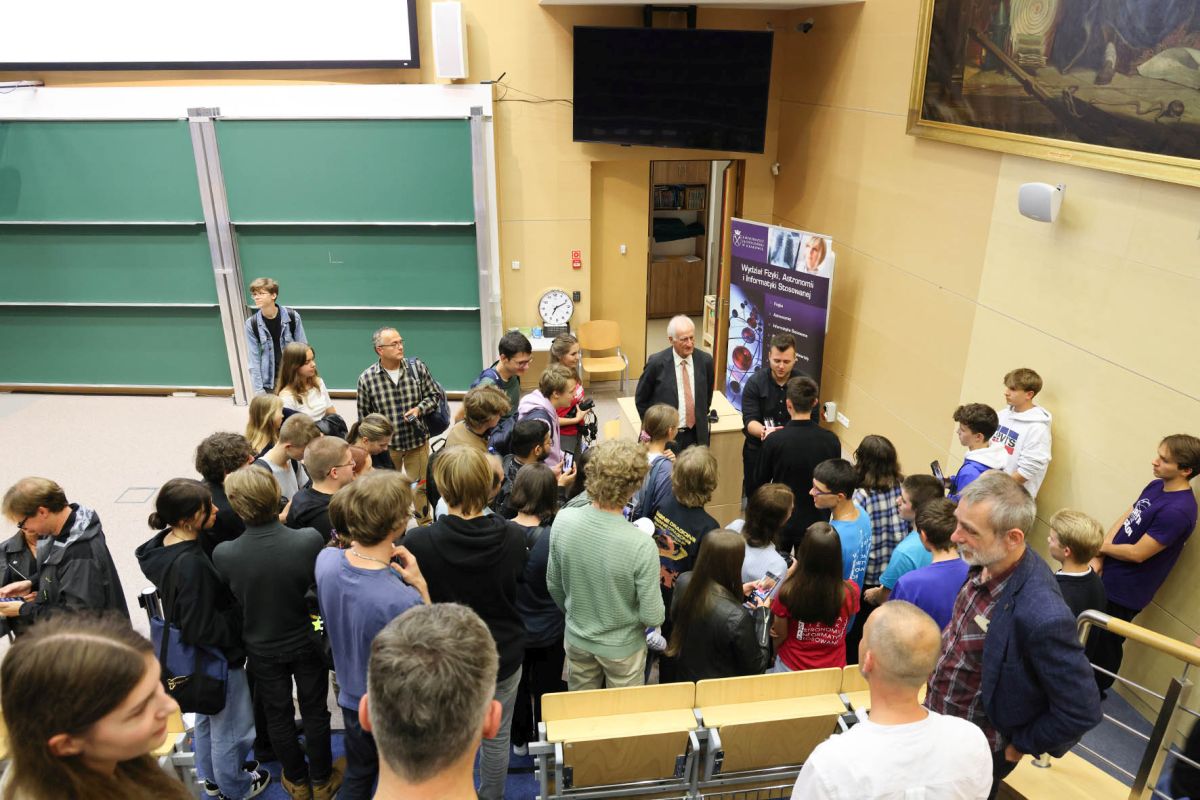
Hoffman shared his unique experiences, including stories about repairing the Hubble Space Telescope, sparking numerous questions from the audience.
Jeffrey Hoffman on Oxygen Production on Mars
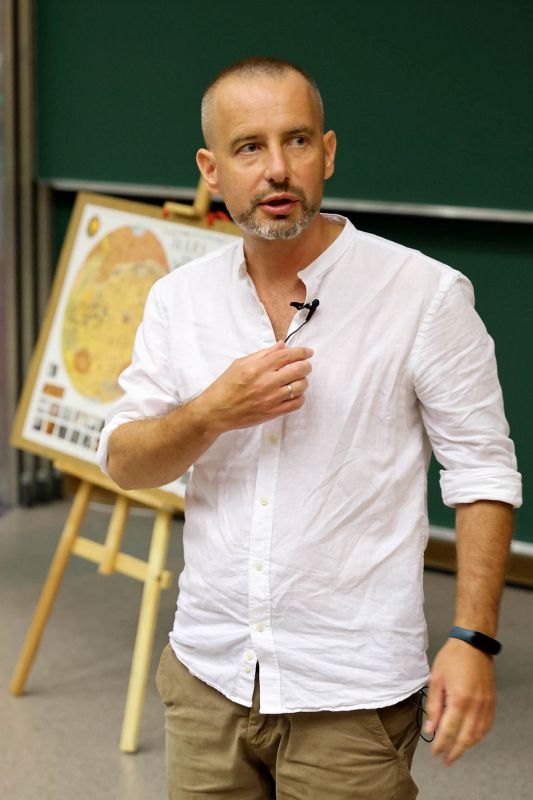
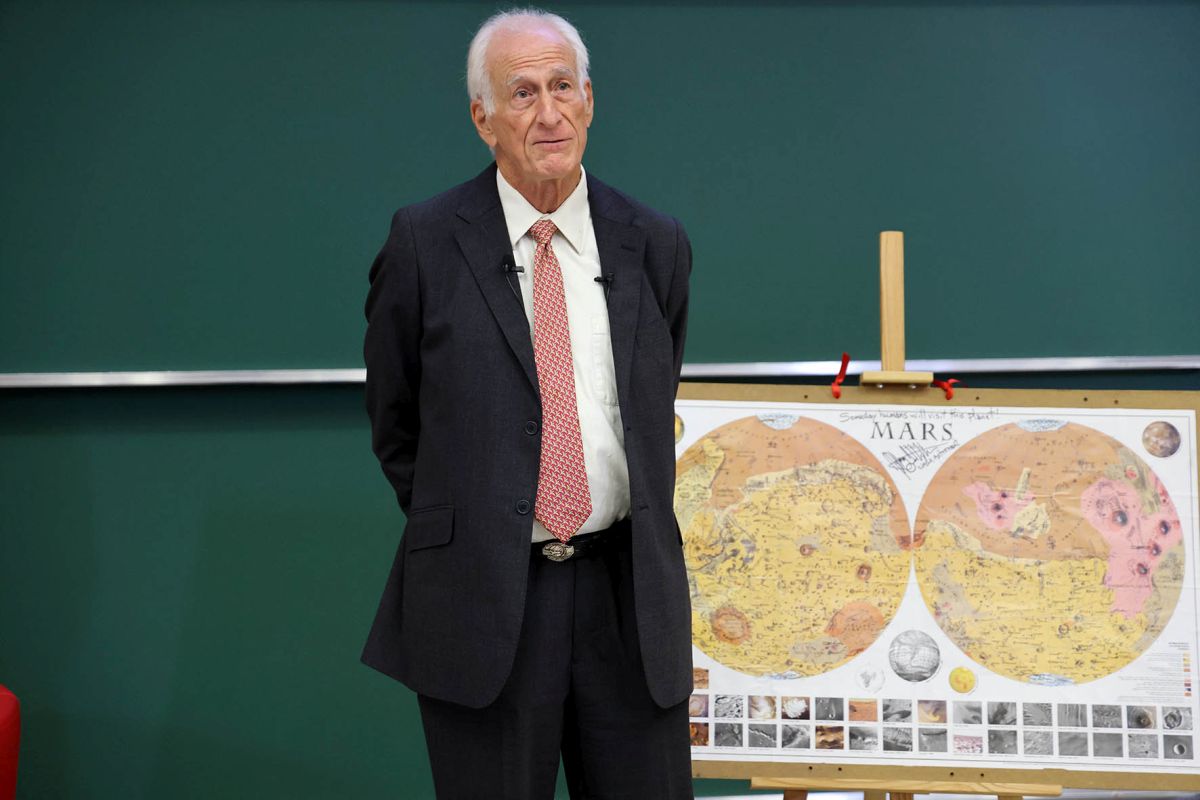
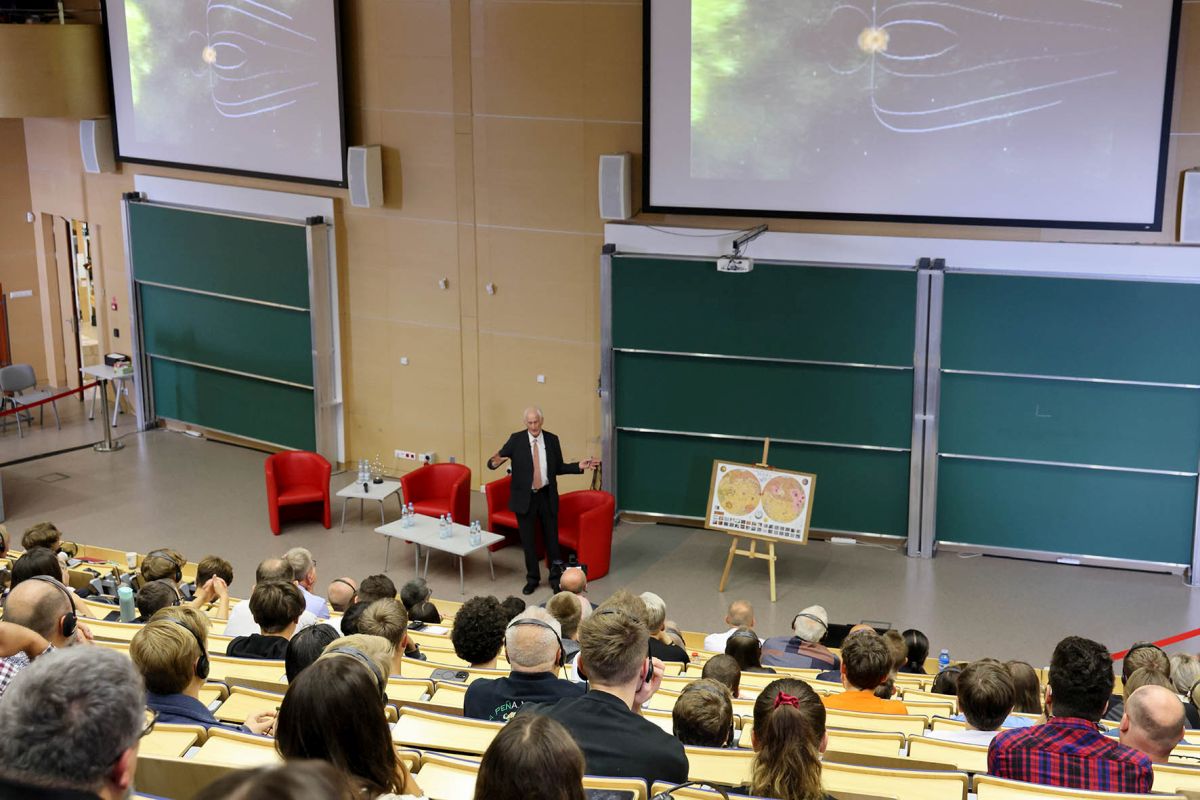
Professor Jeffrey Hoffman delivered a lecture on the pioneering MOXIE project, which demonstrates the possibility of producing oxygen on Mars using its atmosphere through electrolysis. He presented the latest achievements of the Perseverance mission, which is collecting Martian rock samples in search of traces of ancient life.
This topic garnered immense interest, particularly in the context of future manned missions to the Red Planet.
How Did the Universe Begin?
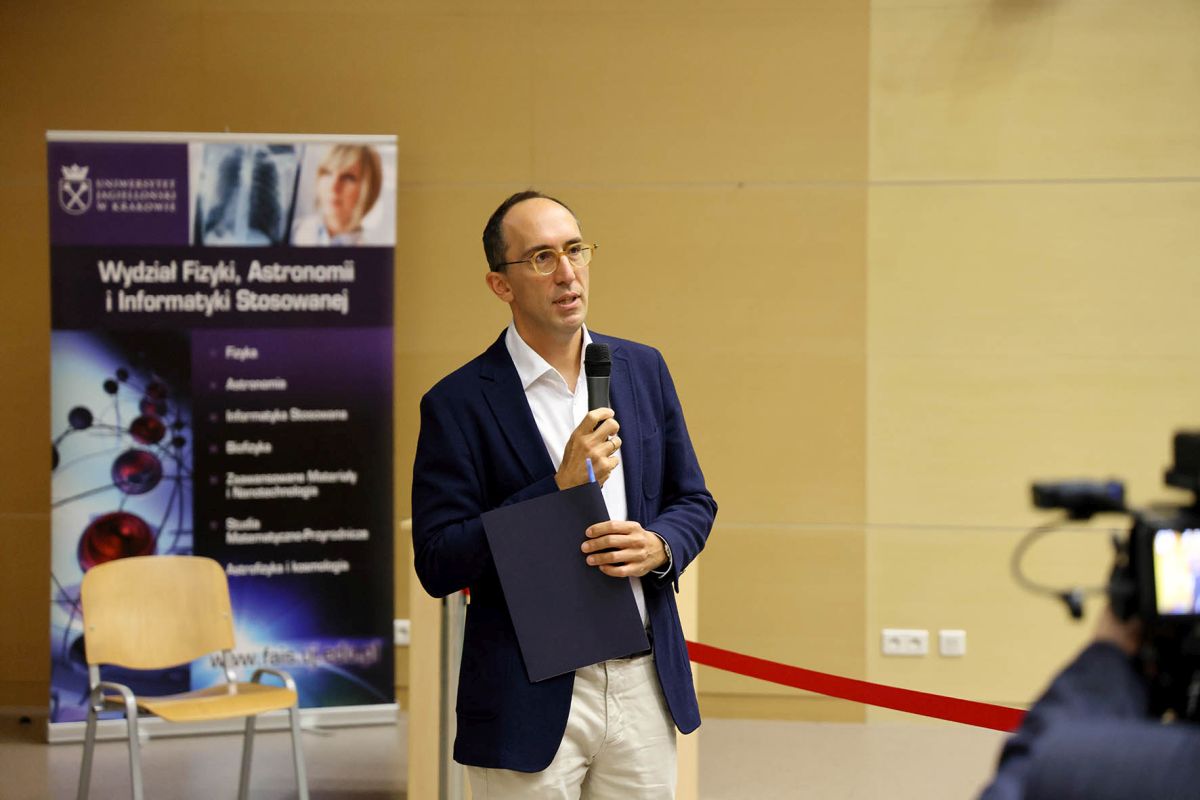
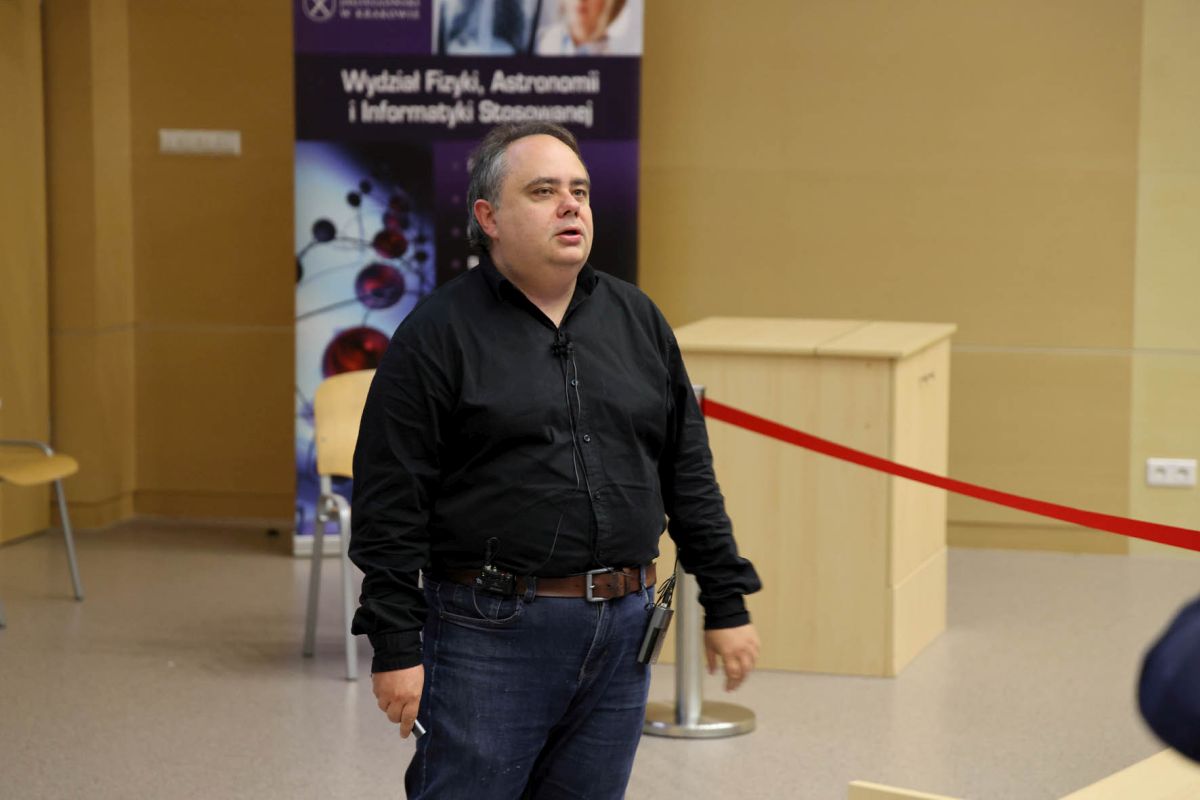
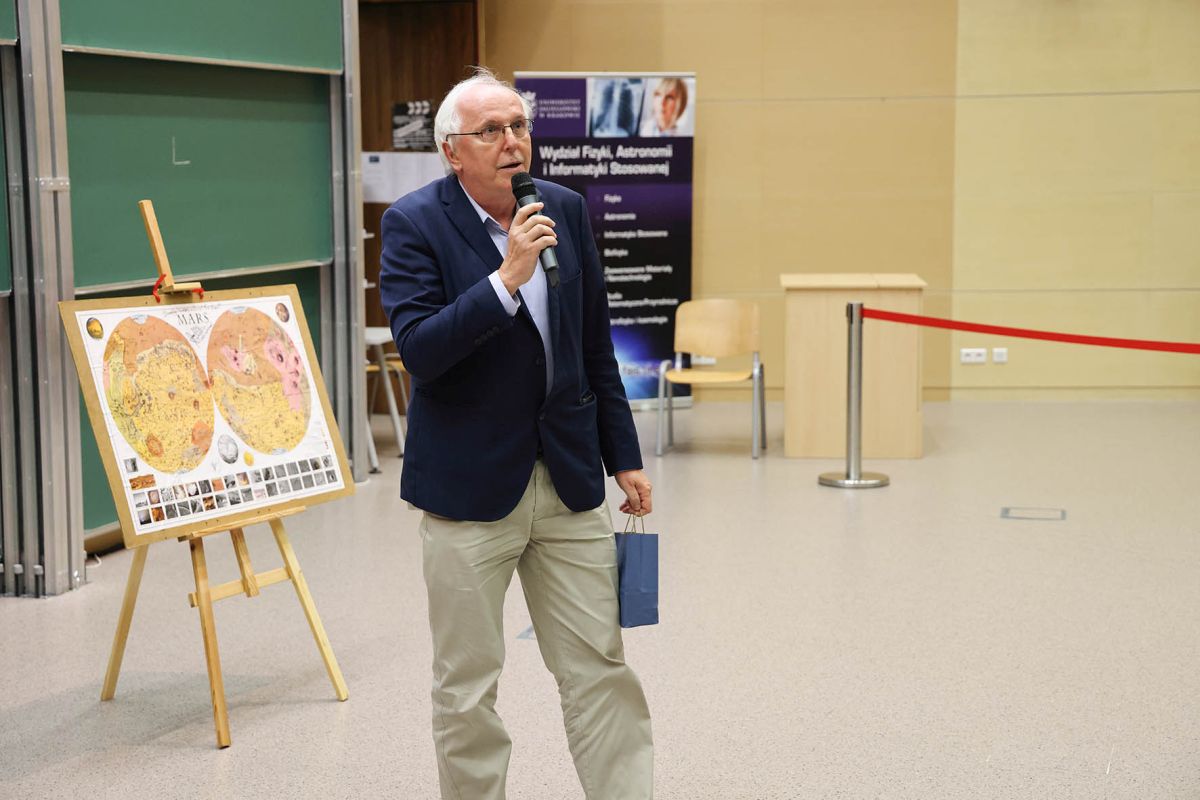
The event kicked off with a lecture by Professor Sebastian Szybka titled The Birth of the Universe, which offered an inspiring overview of modern perspectives on the origins of the cosmos. He introduced participants to the mysteries of the Big Bang, cosmic microwave background radiation, and the limits of current models and physical theories.
UJ Space Mission
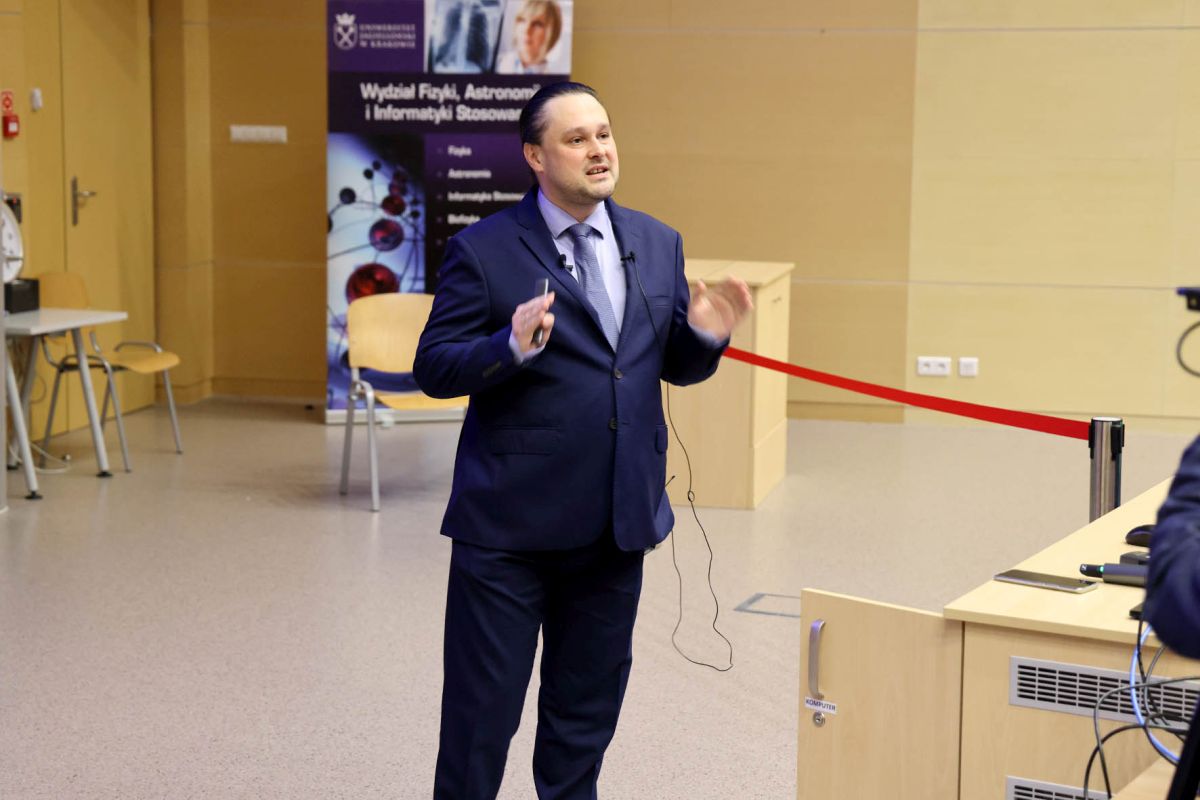
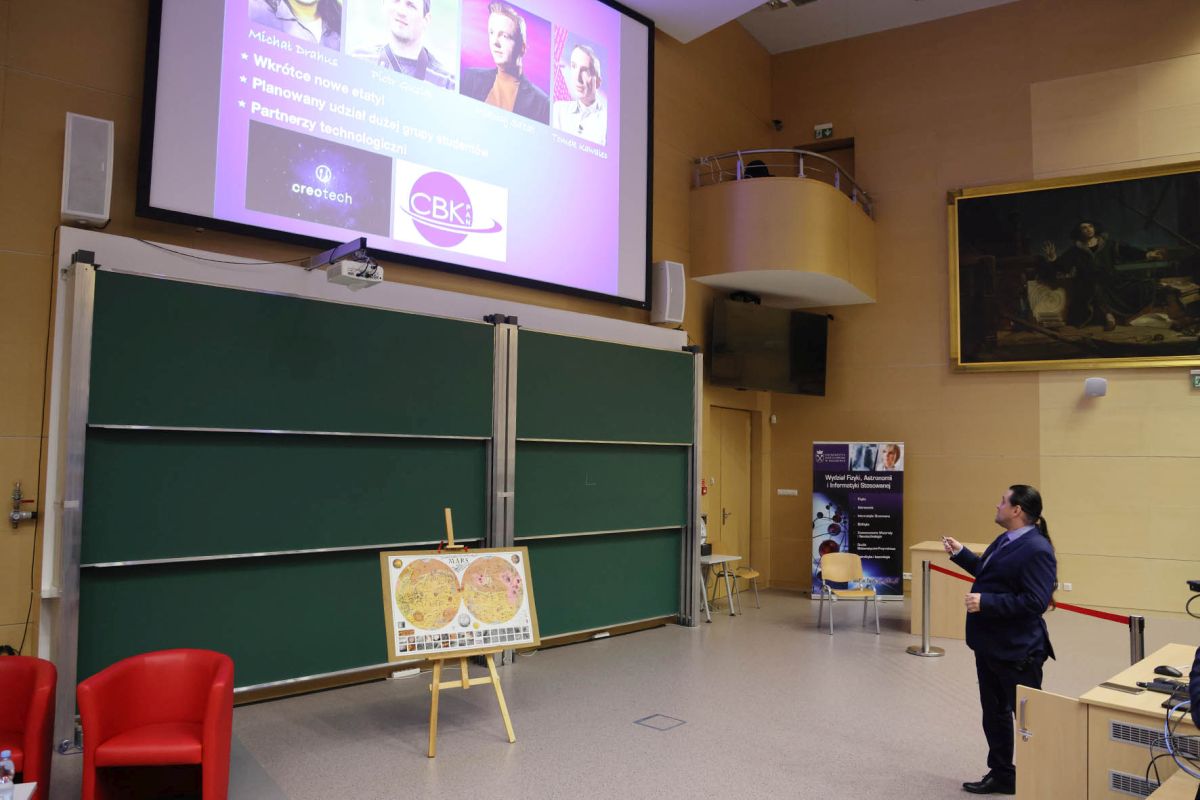
Equally fascinating was the presentation by Dr. Michał Drahus, who spoke about the HYADES project, an ambitious endeavor involving the construction of a space telescope that, once launched into orbit, will study hydrogen and deuterium around comets and asteroids with 100 times greater precision than the Hubble Space Telescope. This project has the potential to revolutionize our understanding of the origins of water on Earth.
What’s Happening in Space?
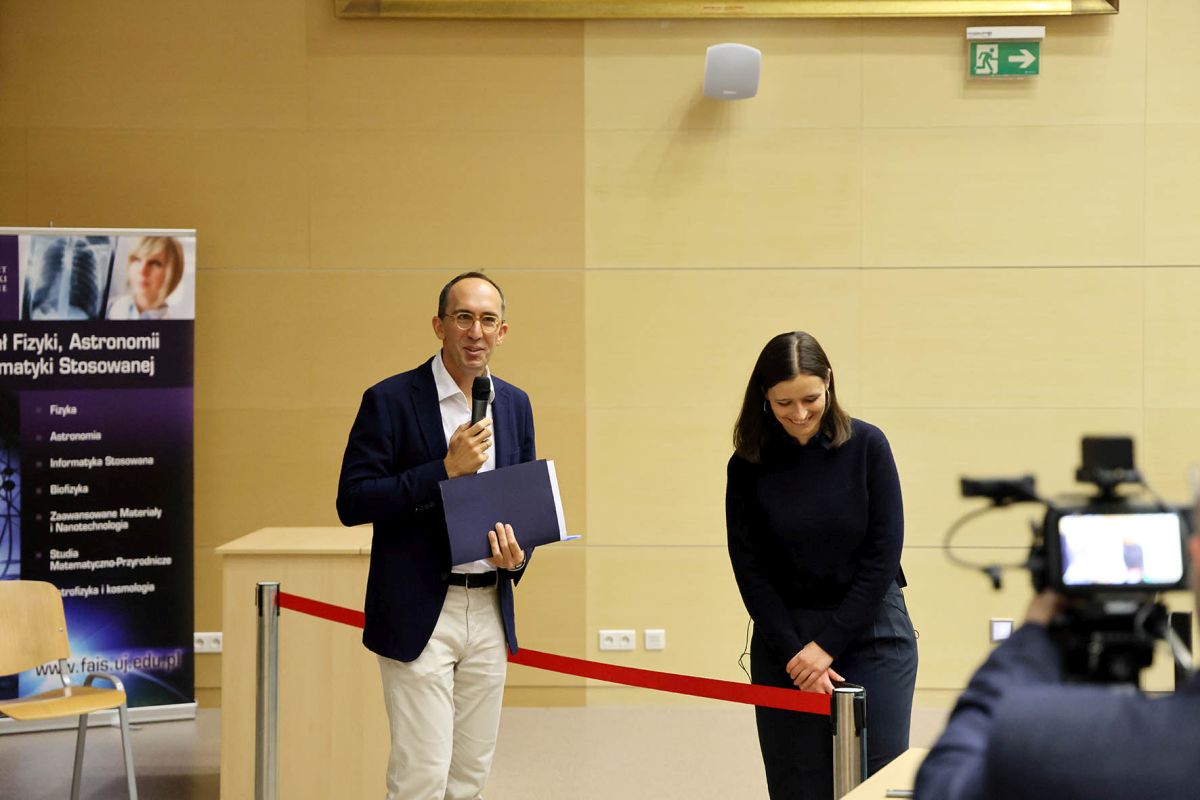
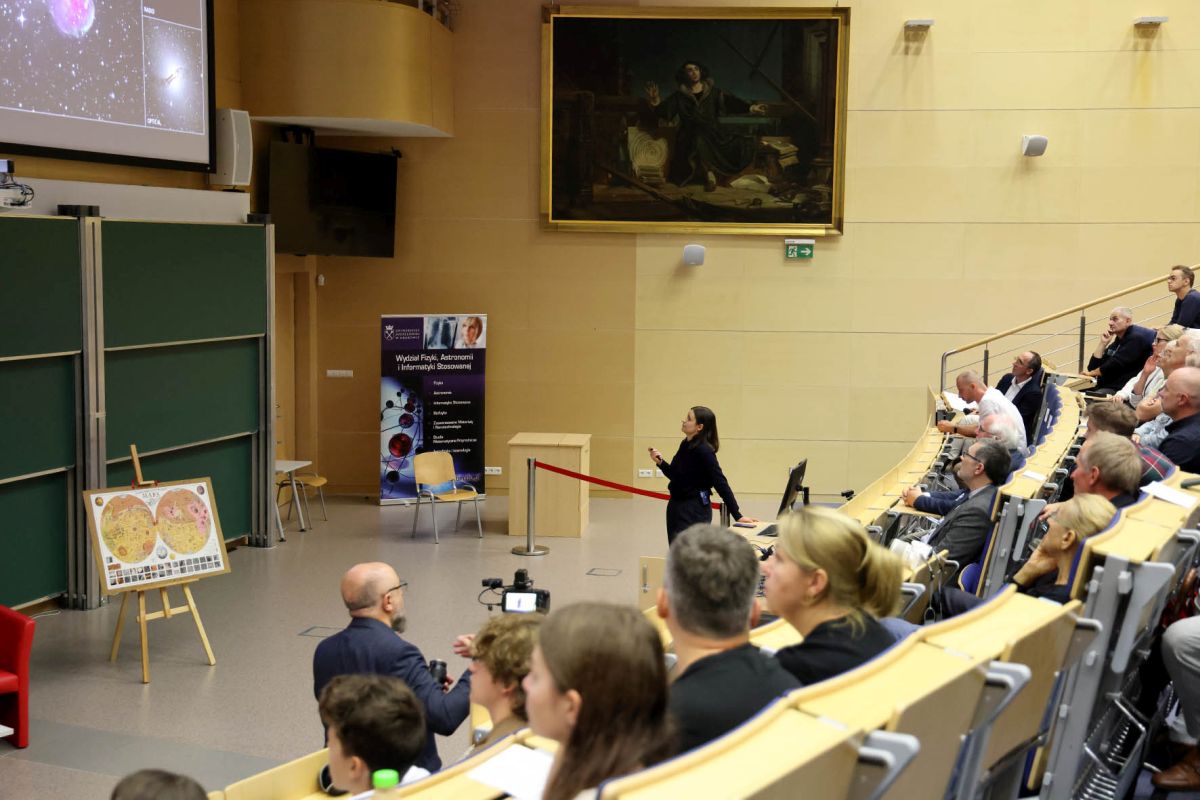
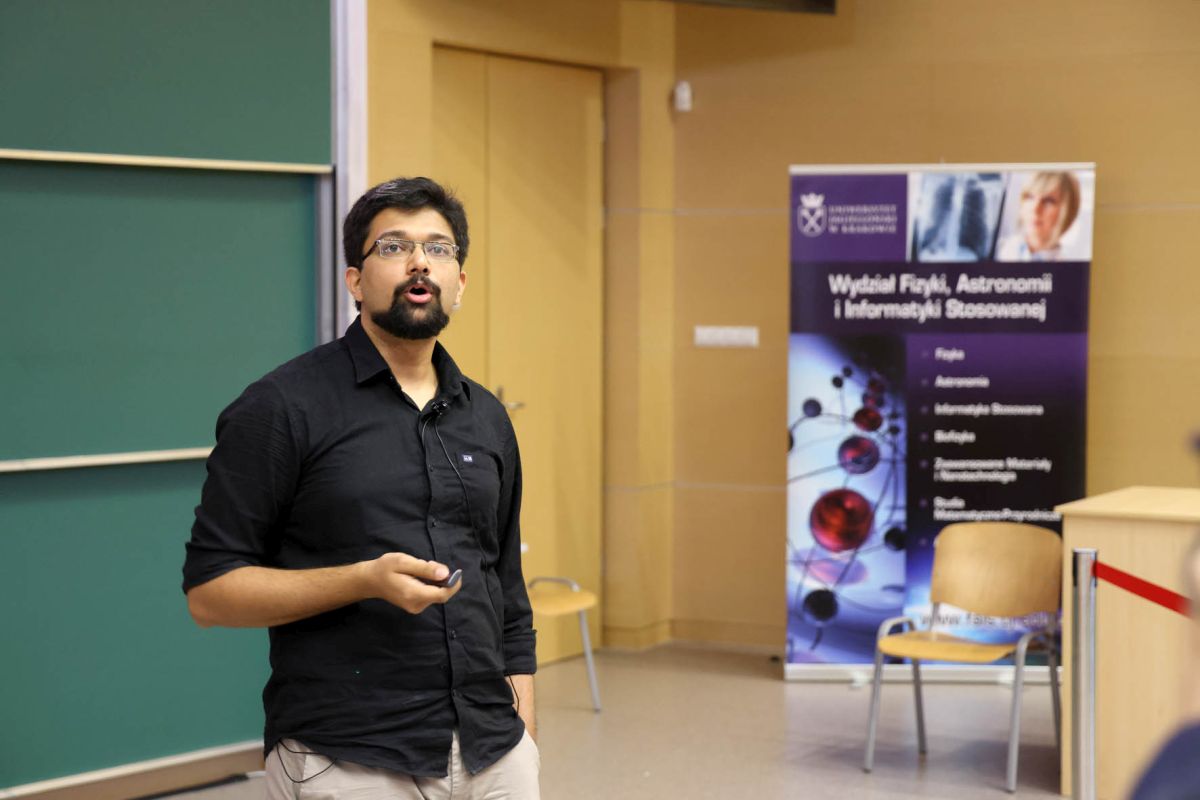
Dominika Król and Aditya Narendra, doctoral students at the Jagiellonian University's Doctoral School of Exact and Natural Sciences, captivated the science enthusiasts in the audience with discussions on galaxy activity, supermassive black holes, the incredible power of gamma-ray bursts, and the use of machine learning to measure the distance to these cosmic objects. Dr. Maciej Kania also presented Mars as a planet of possibilities, discussing the ongoing research by the Planetary Lab.
Special Demonstrations
Event participants also had the chance to witness demonstrations of Martian rovers, prepared by the company Fiction Lab, and a demonstration of an aerodynamic tunnel designed for research on aeolian transport on Mars.
The Voice of the Audience
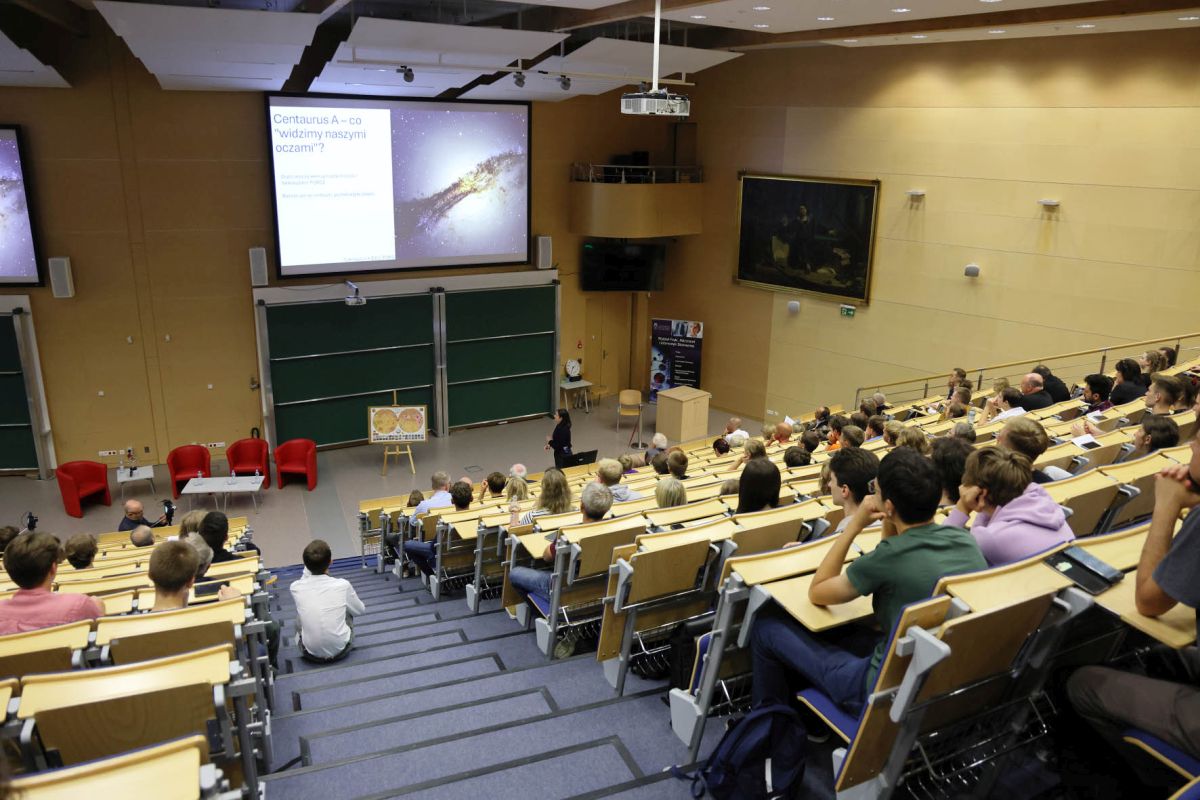
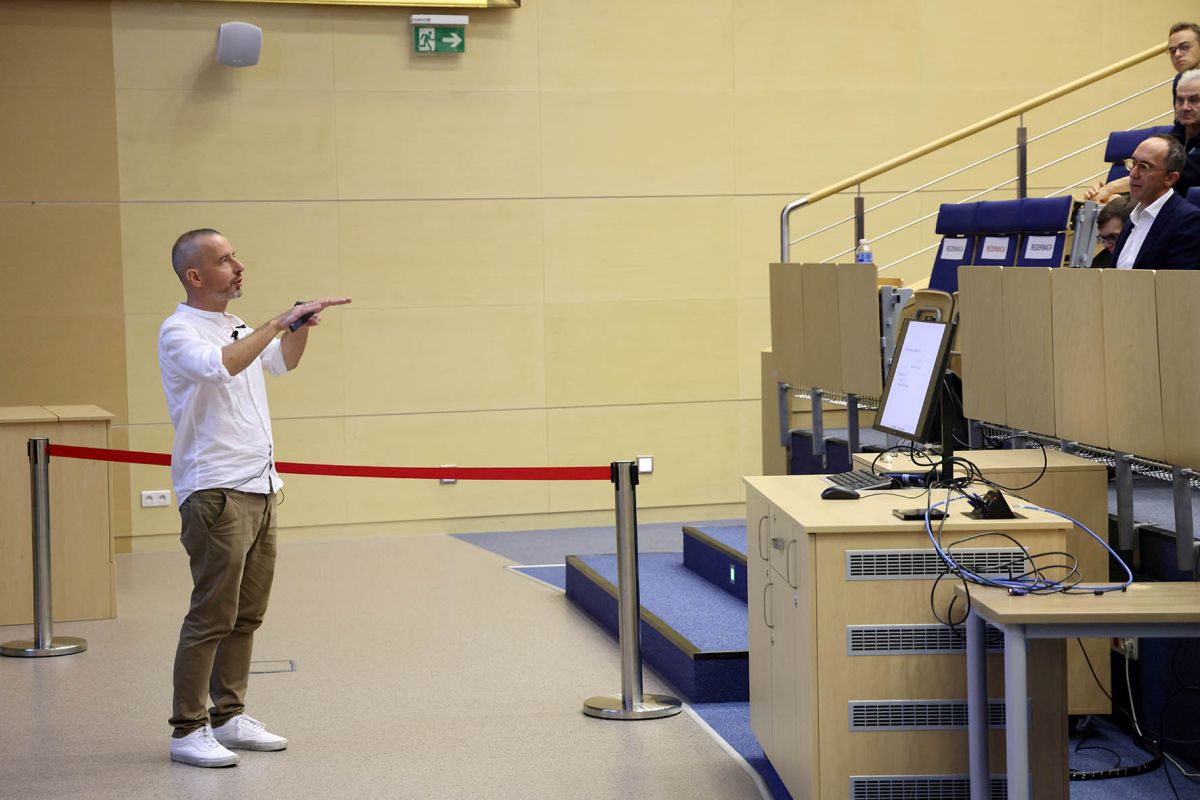
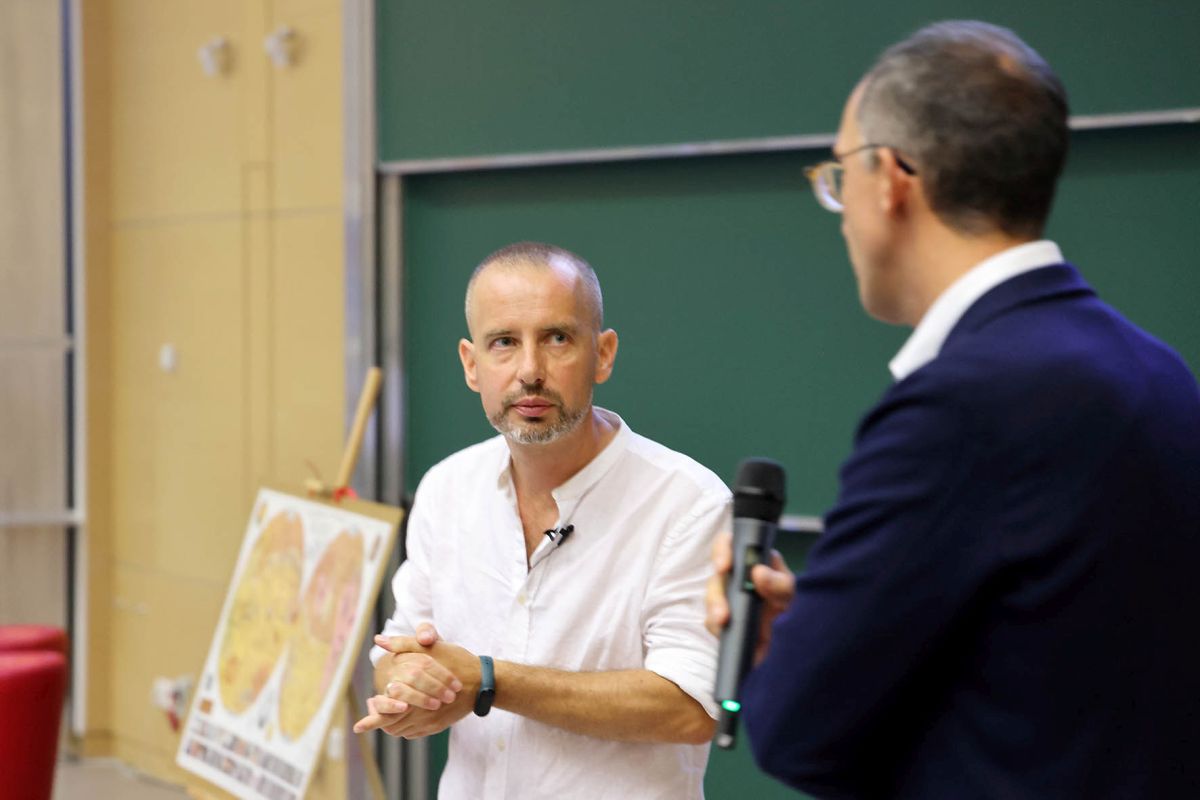
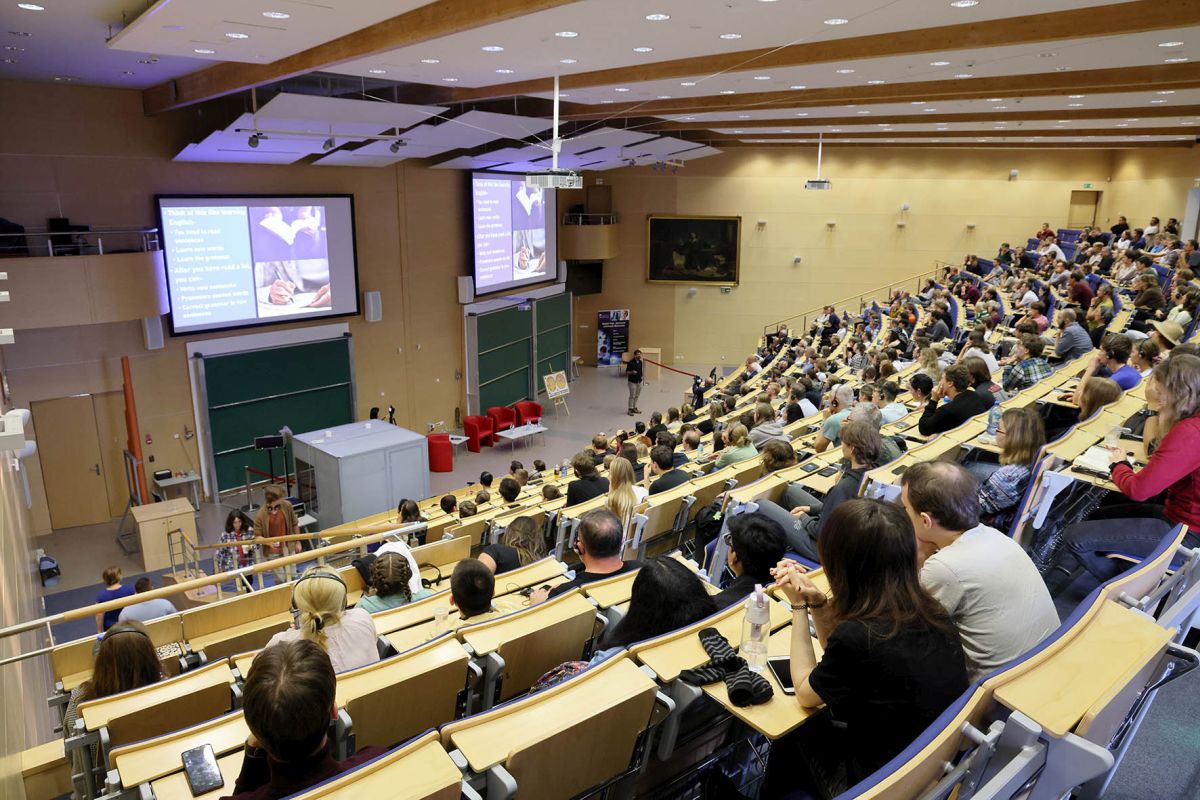
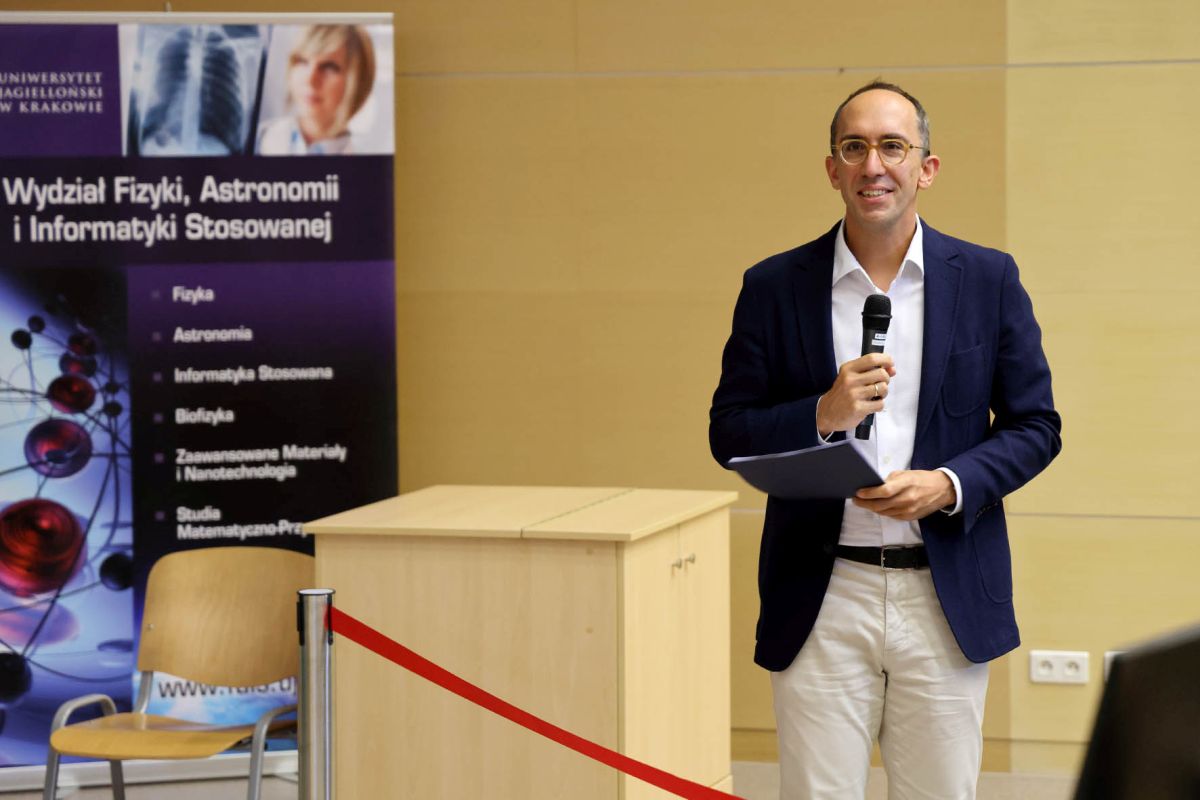
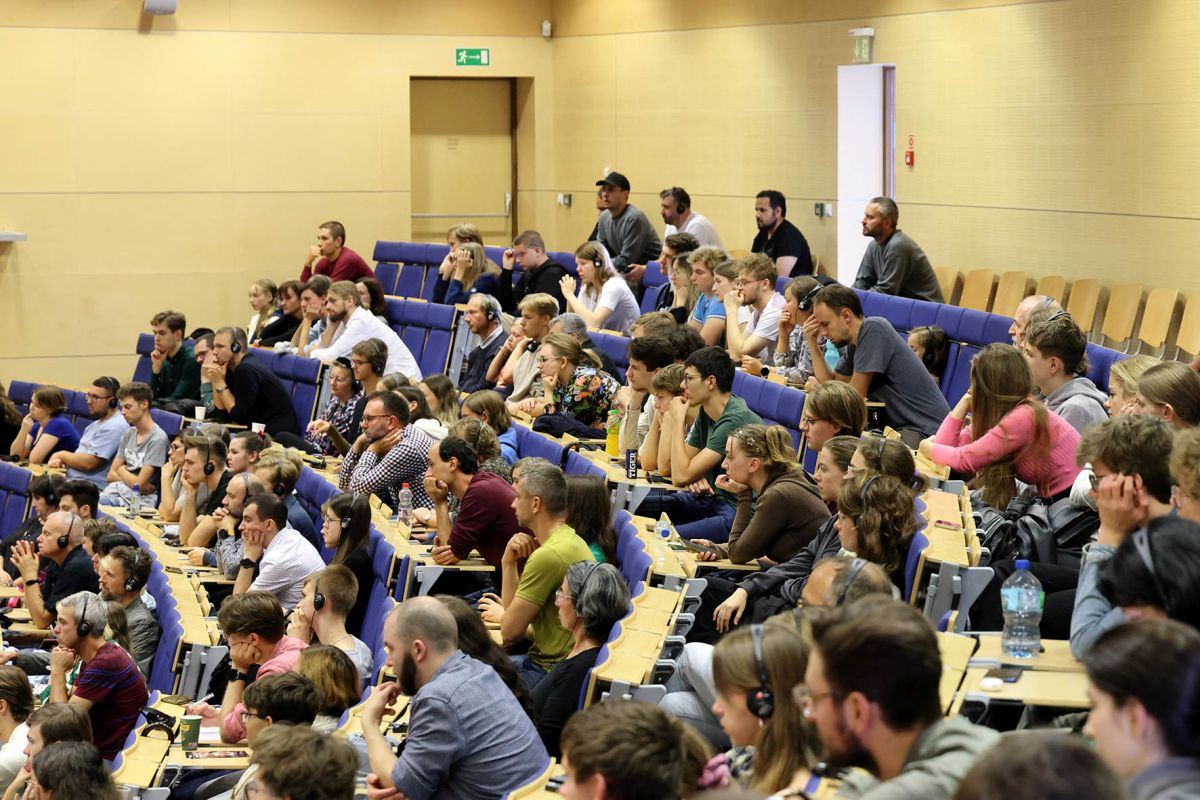
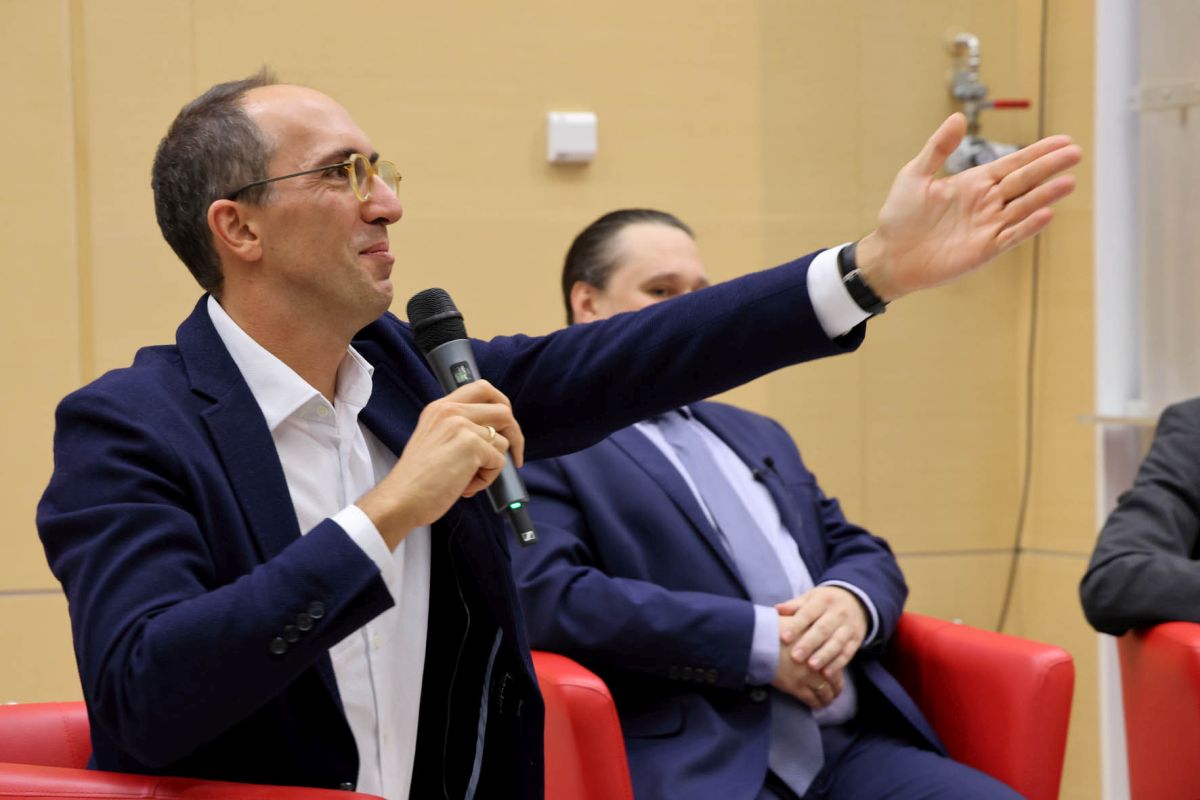
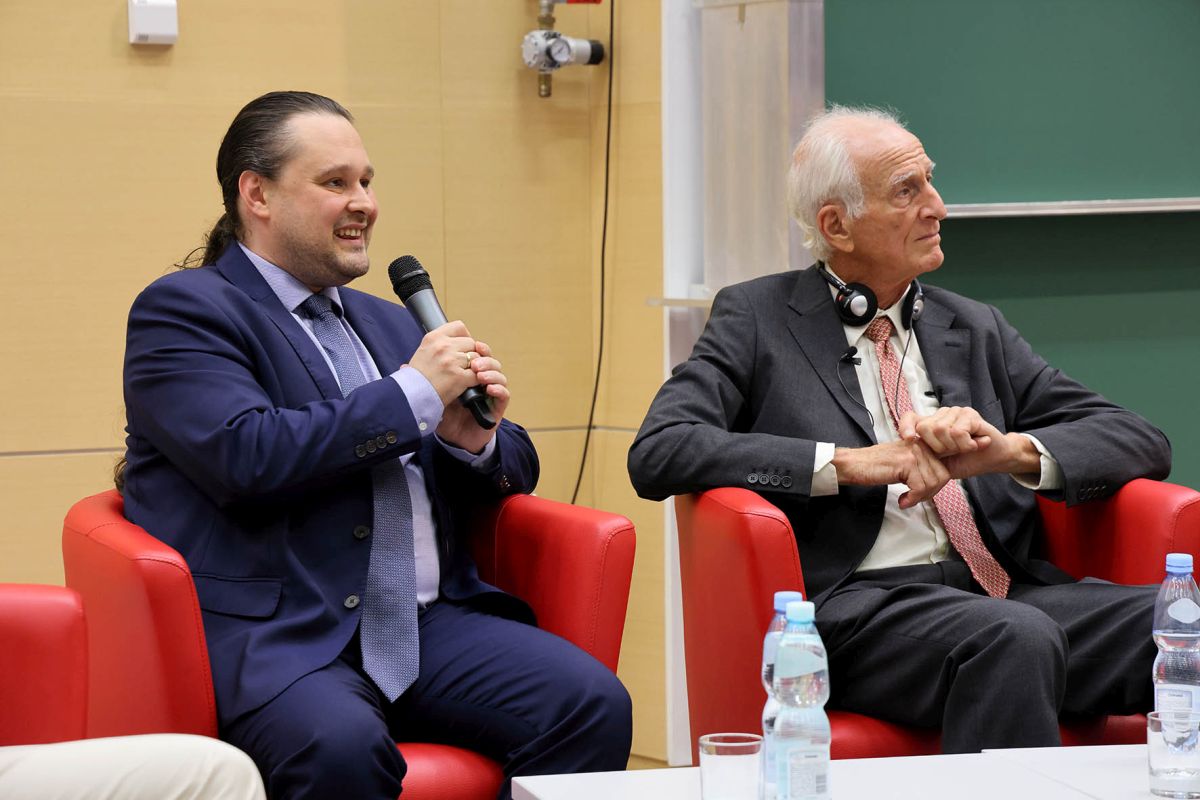
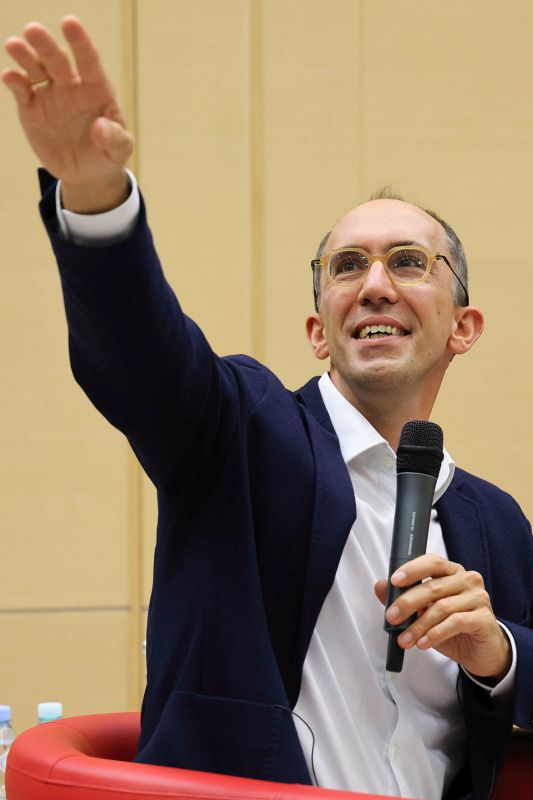
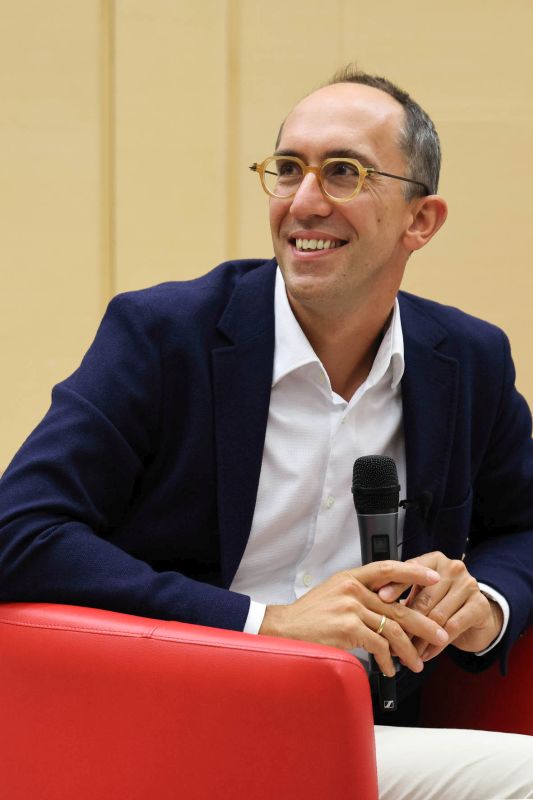
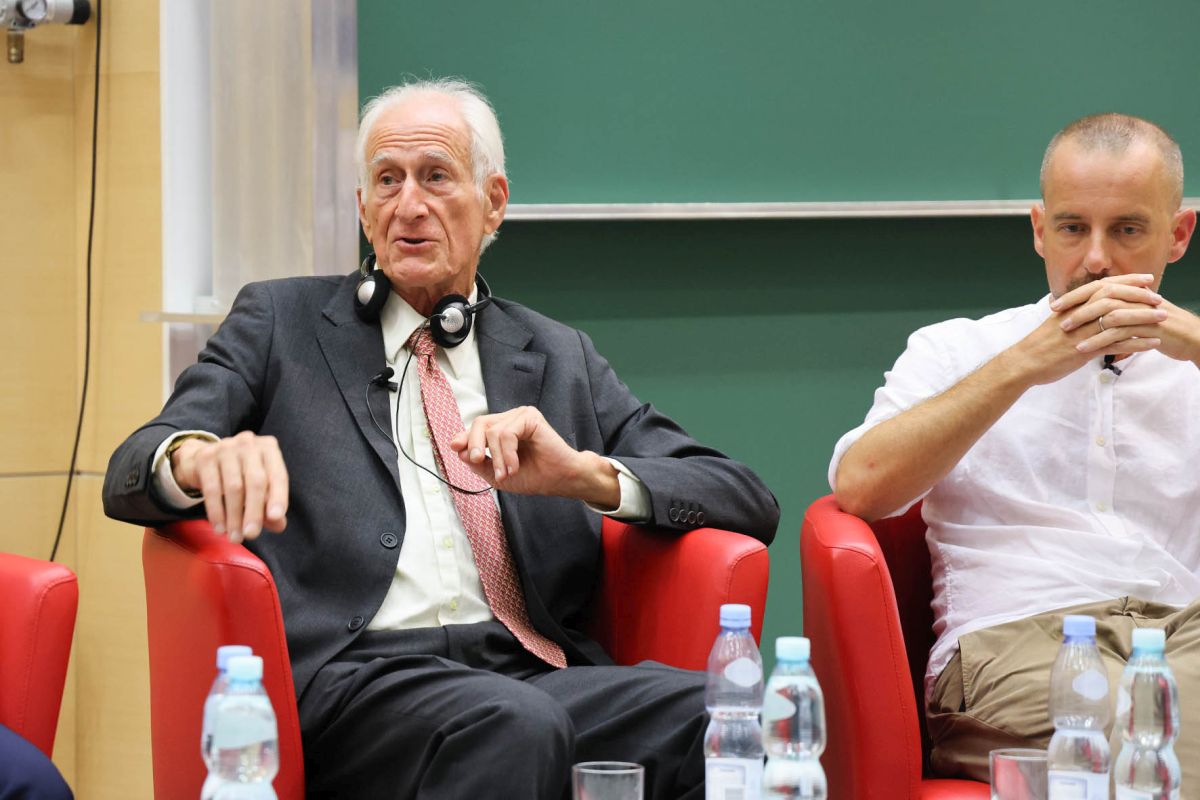
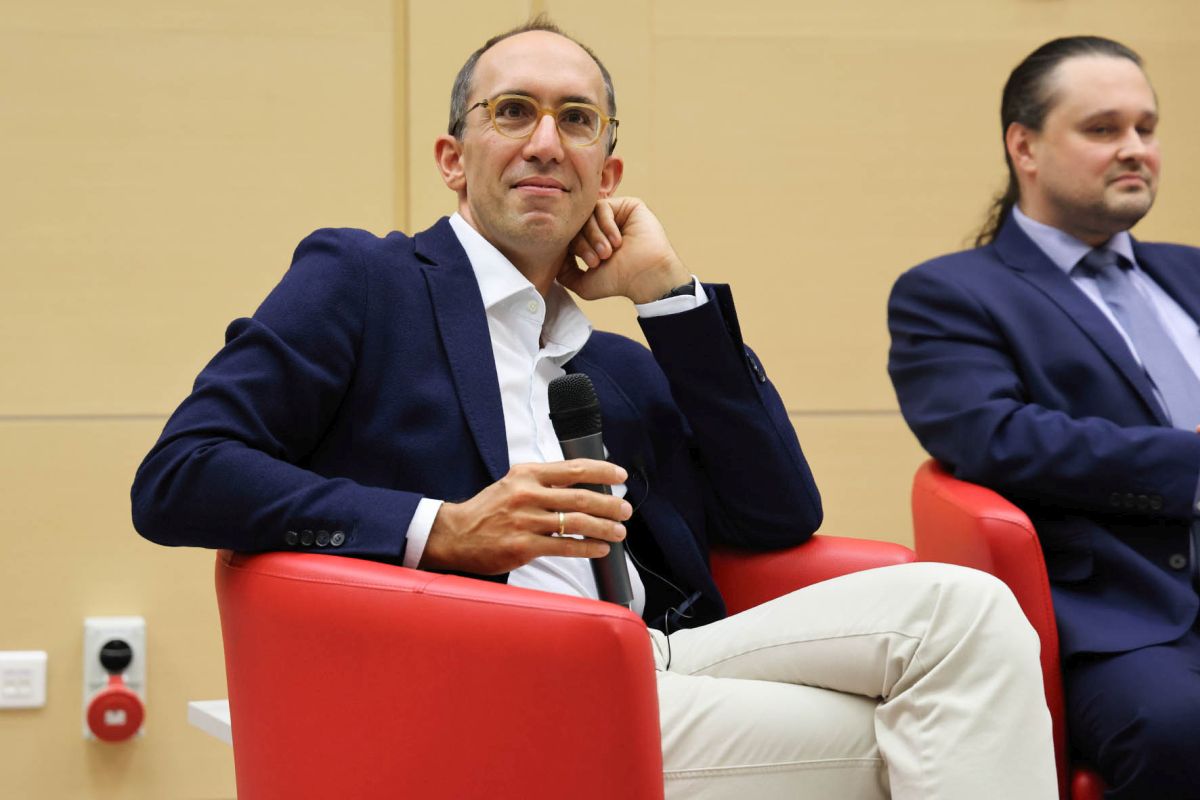
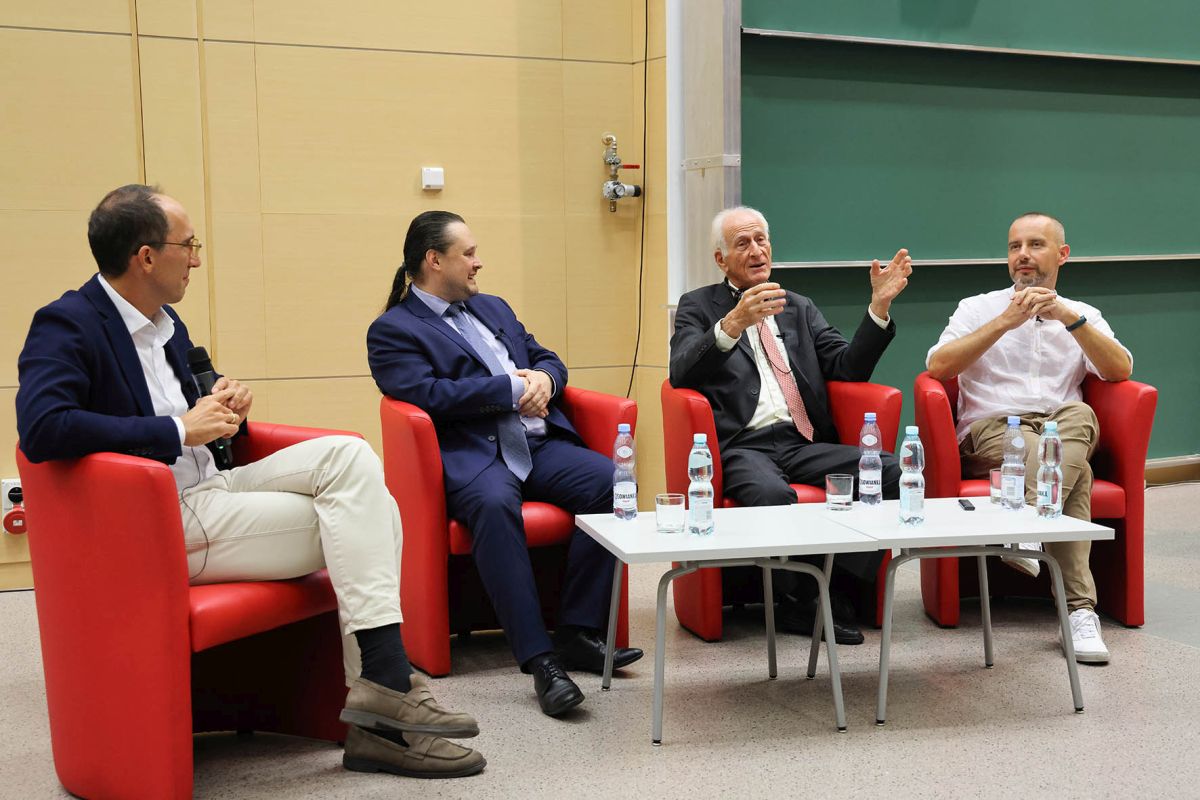
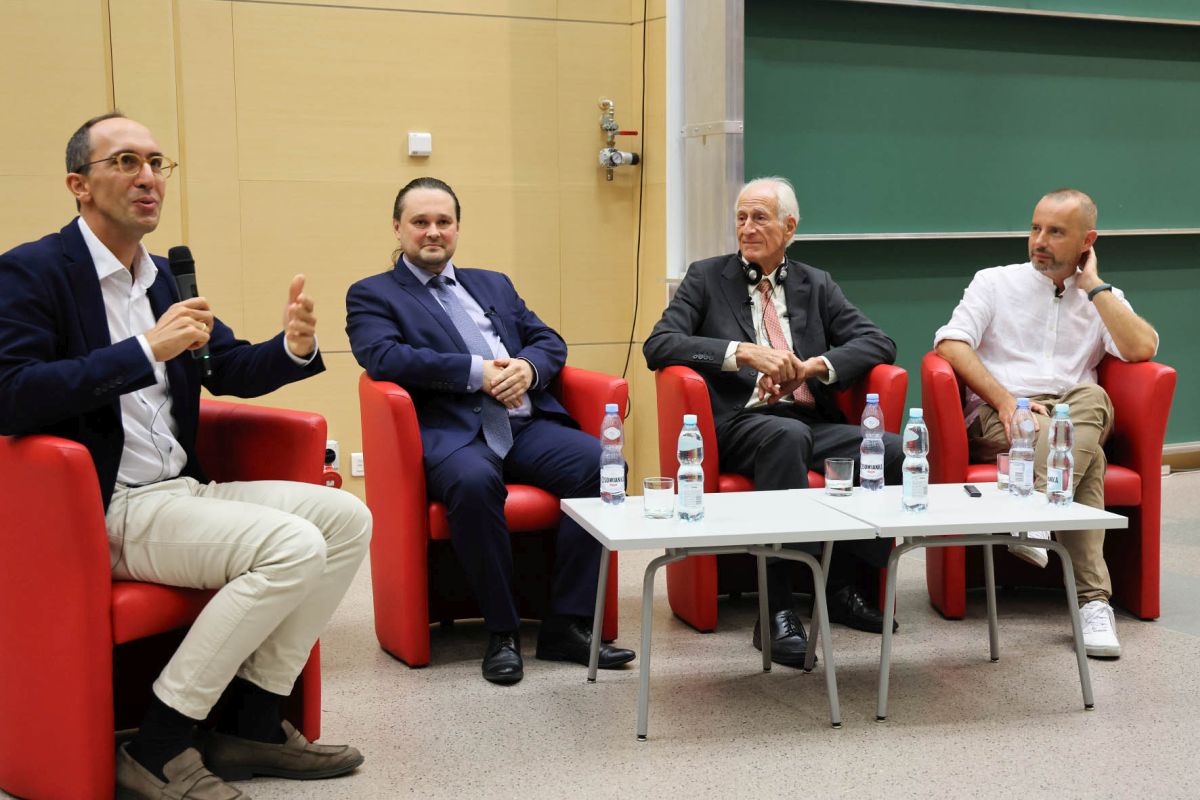
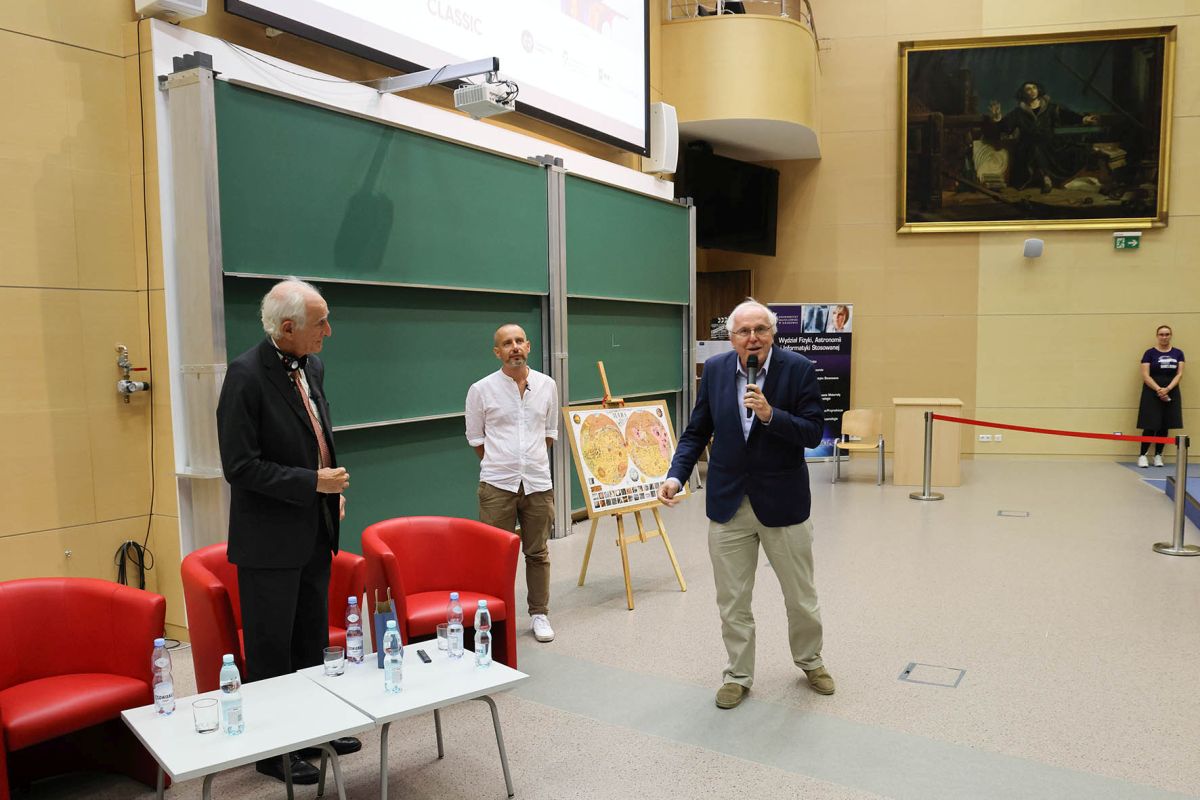
Following the lectures, an exciting debate ensued, during which the audience had the opportunity to ask questions, sparking lively and inspiring discussions.
One of the key topics was the MOXIE experiment, which demonstrated the possibility of producing oxygen on Mars, raising questions about whether life on Mars will ever become a reality. Hoffman outlined the steps necessary to make this vision come true, emphasizing that while Mars offers unique opportunities, there are still many technological and scientific challenges to overcome.
The audience was also curious about what it feels like to sit atop a fully loaded rocket. With humor and precision, Hoffman described it as a combination of excitement and incredible tension, where each crew member is fully aware of the risks associated with space travel. In response to other questions, the astronaut shared his reflections on the experience of weightlessness, calling it incomparable to anything on Earth. He also touched on the feeling of being in space — as a "prisoner of gravity," always returning to Earth’s limitations.
There were also inquiries about private space missions, including SpaceX and Elon Musk’s efforts. Hoffman expressed his support for the development of private space initiatives, noting that projects like SpaceX open up new opportunities for research and exploration, while also pointing out that NASA frequently benefits from many of these innovations.
The audience also posed more personal questions, such as what Hoffman felt during his first space flight and after returning to Earth. The astronaut fondly reminisced about those moments, emphasizing that each space flight is not only a technical challenge but also an emotional experience. A question about the Hubble repair mission also came up, which Hoffman described as one of the most satisfying moments of his career.
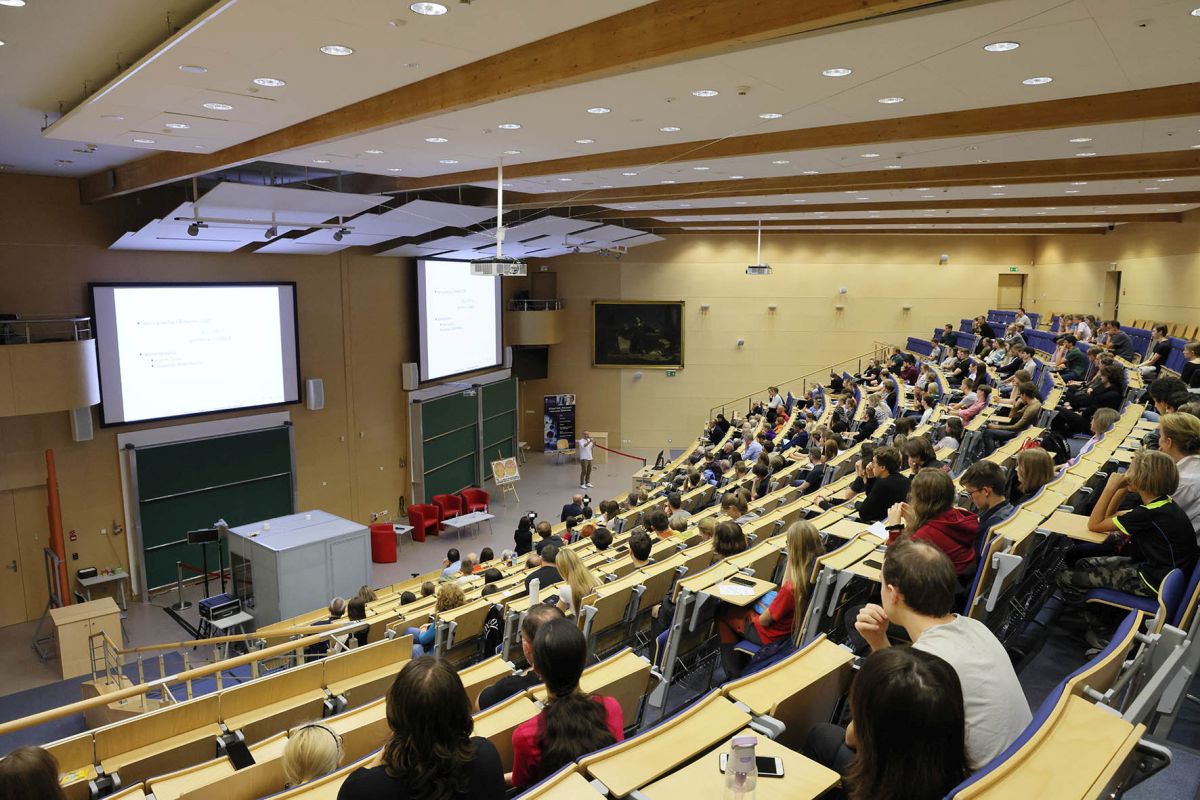
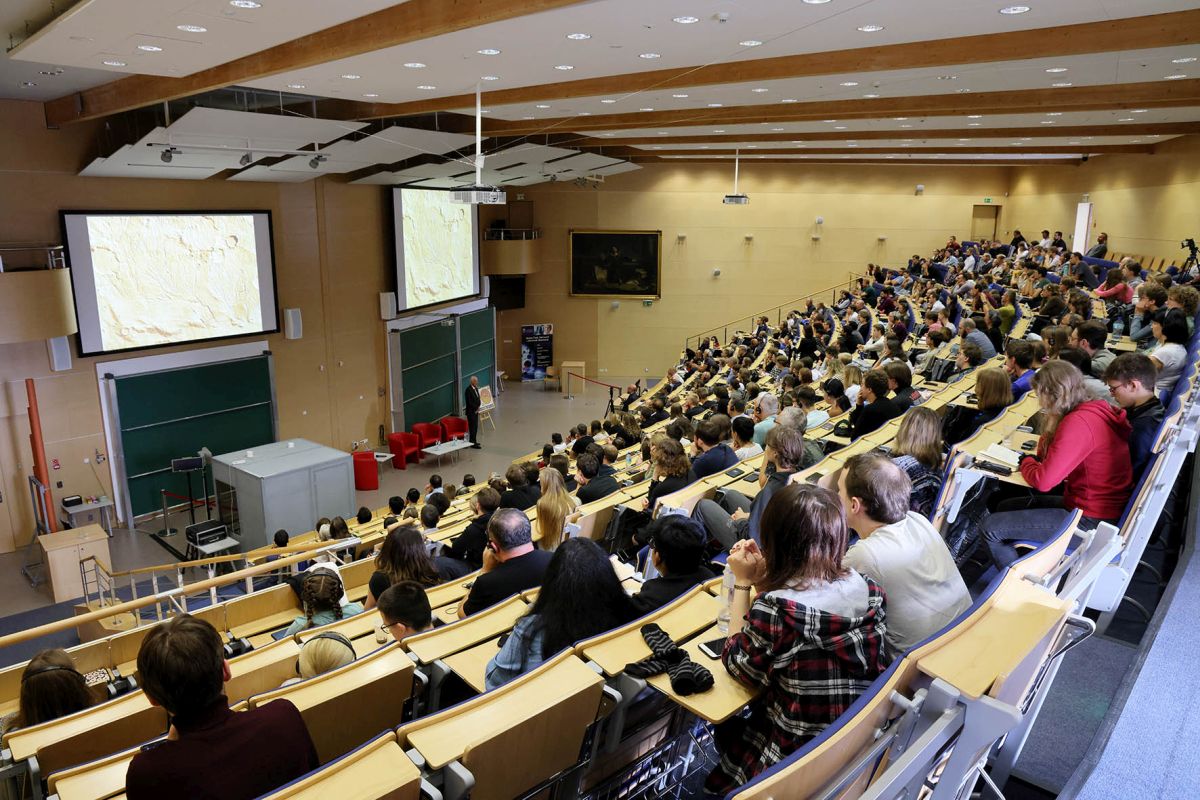
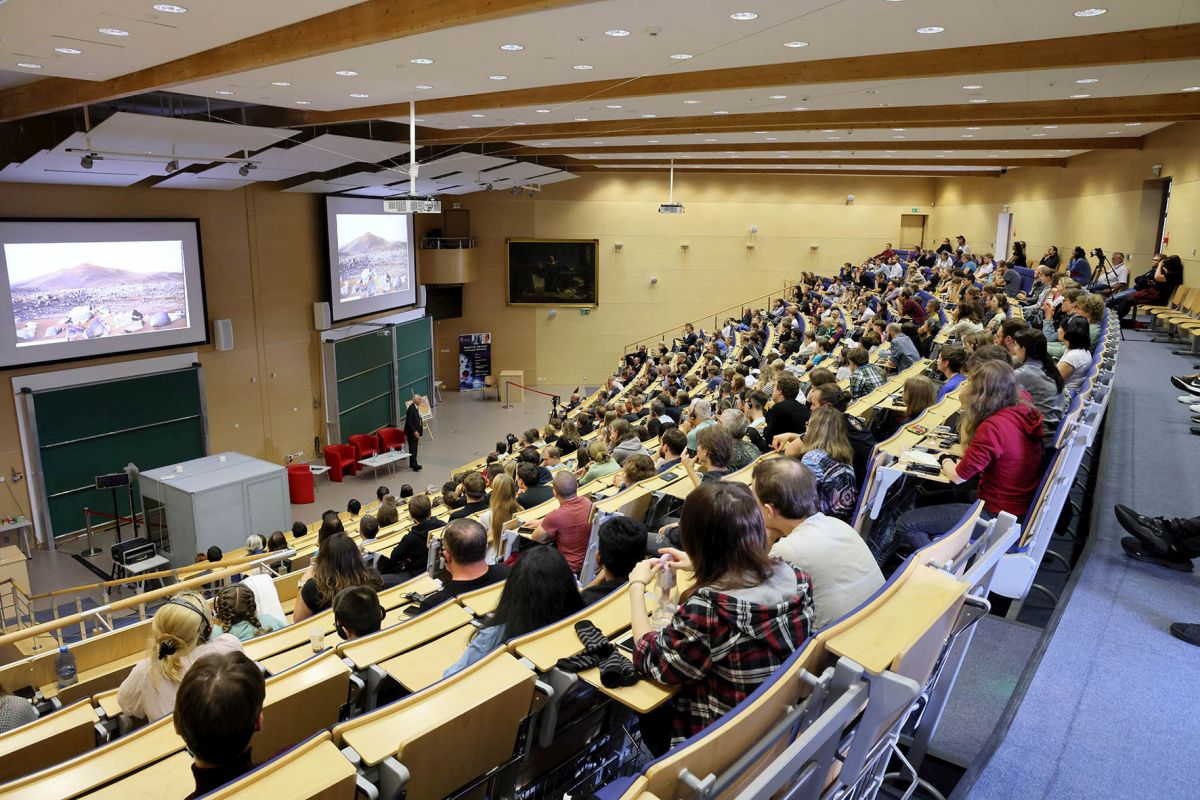
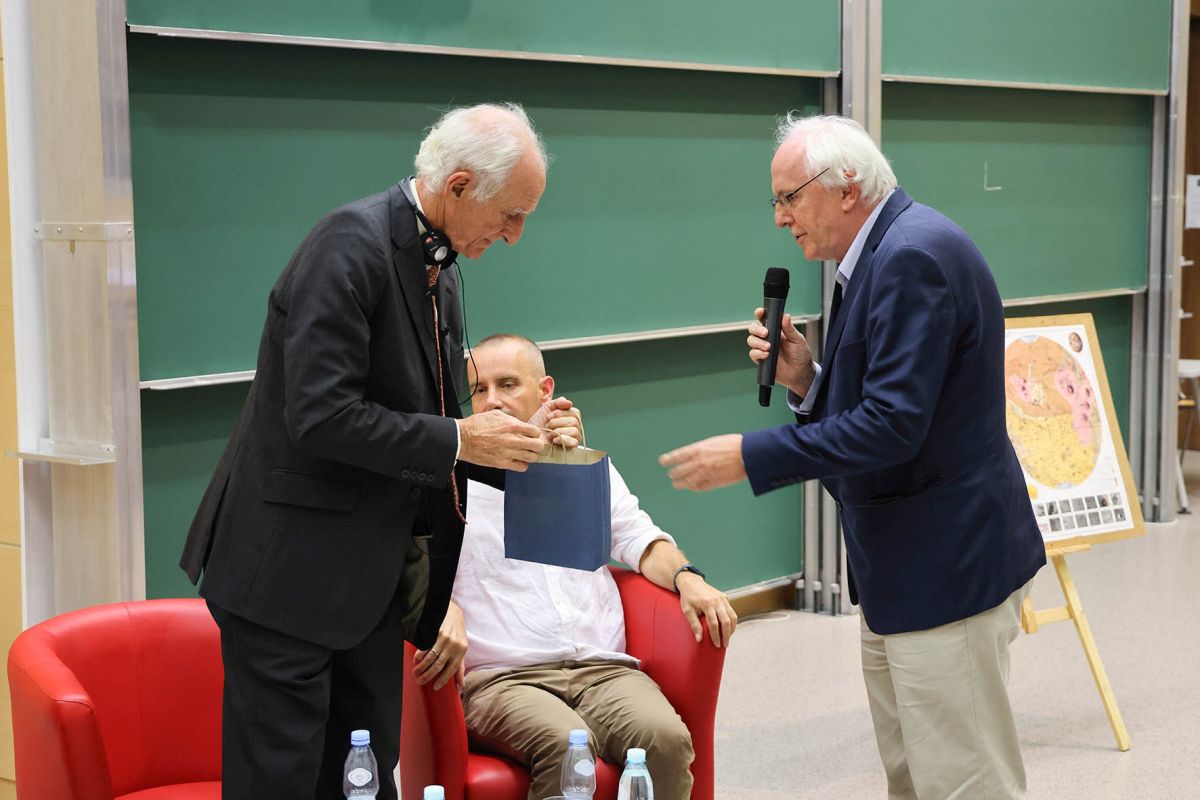
The event attracted great interest, and the audience's participation made it an inspiring platform for the exchange of ideas and perspectives.
We extend our gratitude to everyone who joined us and made this event so exceptional! ❤️
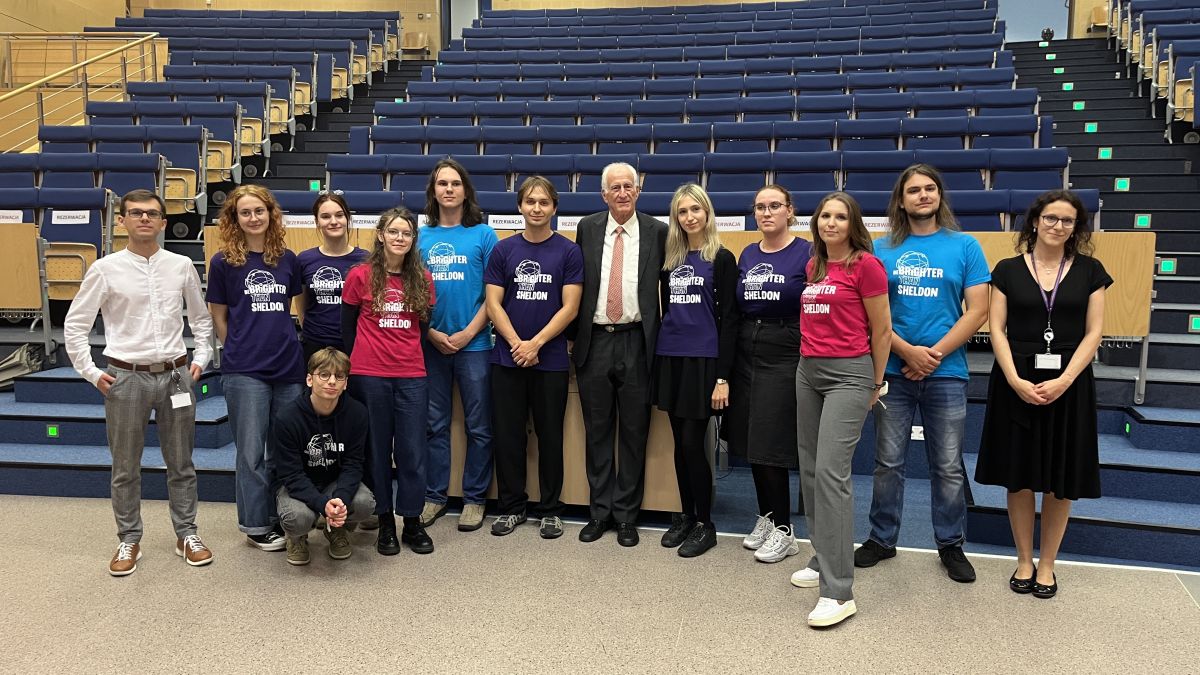
Special thanks to our amazing volunteers, whose help, passion, and dedication contributed to the success of this unique event 😊
Collaboration
Collaboration Partners: Doctoral School of Exact and Natural Sciences at JU, Planetary Lab, Fiction Lab, Copernicus Center for Interdisciplinary Studies.
Honorary Patronage: Rector of the Jagiellonian University, Polish Space Agency (POLSA).
Media Patronage: RMF CLASSIC.